

Szukaj





























to blunder
01
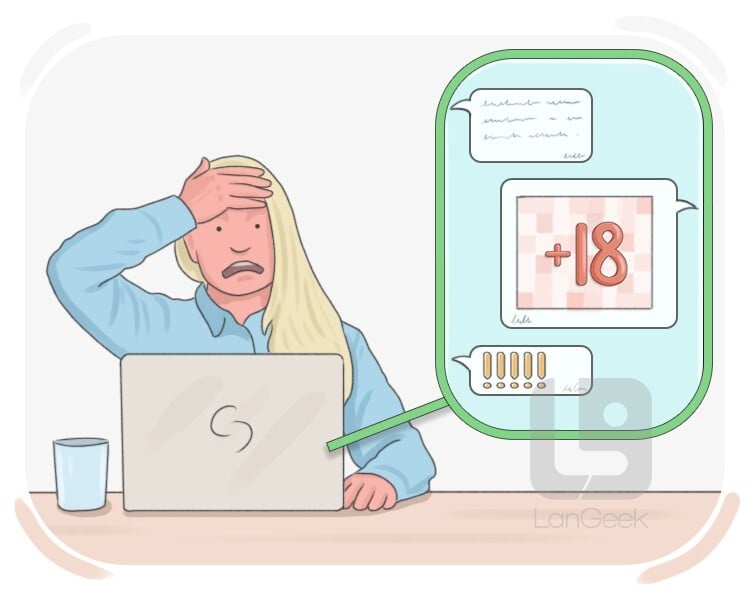
popełnić gafę, zrobić poważny błąd
to commit an embarrassing and serious mistake out of carelessness or stupidity
Intransitive
nieformalne
informacje gramatyczne
budowa morfologiczna
prosty
czasownik czynnościowy
regularny
czas teraźniejszy
blunder
3. osoba liczby pojedynczej
blunders
imiesłów czynny
blundering
czas przeszły prosty
blundered
imiesłów bierny
blundered
Przykłady
He blundered by sending the email to the wrong recipient.
Popełnił błąd, wysyłając e-mail do niewłaściwego odbiorcy.
02
palnąć, jąkać się
to say something in a careless, foolish, or confused way
Transitive: to blunder a remark
Przykłady
He blundered his apology and made it sound insincere.
Zepsuł swoje przeprosiny i sprawił, że brzmiały nieszczerze.
03
poruszać się po omacku, poruszać się niezdarnie
to move awkwardly or without clear direction
Intransitive: to blunder somewhere
Przykłady
Without a flashlight, they blundered along the unlit trail.
Bez latarki brnęli po nieoświetlonej ścieżce.
Blunder
nieformalne
informacje gramatyczne
status żywotności
abstrakcyjny
budowa morfologiczna
prosty
policzalny
singular
not gender specific
forma liczby mnogiej
blunders
Przykłady
The manager's blunder in the financial report led to a significant loss for the company.
Pomyłka menedżera w raporcie finansowym doprowadziła do znacznej straty dla firmy.
02
błąd, pomyłka
a serious tactical or positional mistake that results in a significant disadvantage or loss of material, often leading to a loss of the game
LanGeek


