

Szukaj





























Tide
01
pływ
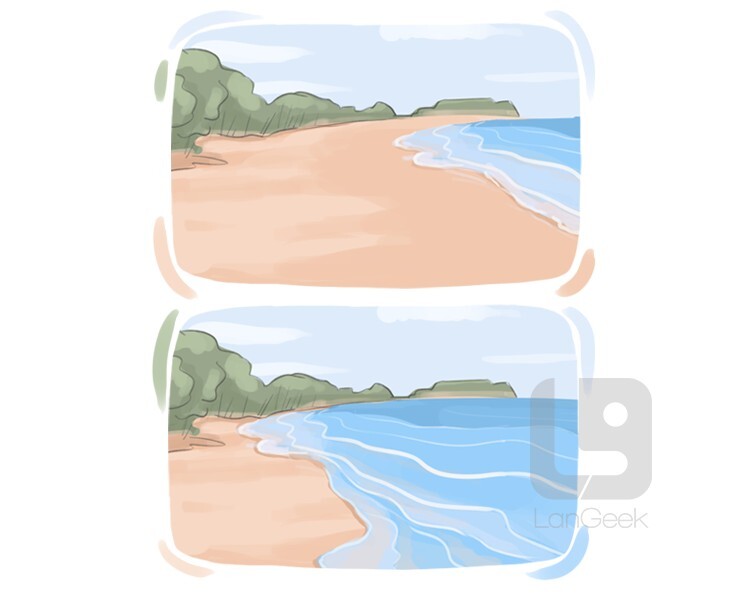
the rise and fall of the sea level, which happens regularly, as a result of the attraction of the sun and moon
informacje gramatyczne
status żywotności
nieżywotny
budowa morfologiczna
prosty
niepoliczalny
singular
not gender specific
forma liczby mnogiej
tides
Przykłady
Fishermen need to be aware of the tide schedule to ensure their boats are safely docked.
Rybacy muszą być świadomi harmonogramu pływów, aby zapewnić bezpieczne cumowanie swoich łodzi.
02
prąd, fala
something that fluctuates or changes in intensity
Przykłady
There is a tide of enthusiasm for the new project.
Fala entuzjazmu dla nowego projektu.
03
pływ, prąd
a flowing stream or current, particularly in large bodies of water like oceans or seas
Przykłady
The tide carried driftwood along the shore.
Pływ niósł drewno dryfujące wzdłuż brzegu.
04
prąd, tendencja
the general trend or movement in public opinion, social attitudes, or events
Przykłady
A tide of support for the candidate developed overnight.
Fala poparcia dla kandydata rozwinęła się w ciągu nocy.
to tide
01
wznosić się, posuwać się naprzód
to rise, advance, or move forward, often gradually or steadily
informacje gramatyczne
budowa morfologiczna
prosty
czasownik ruchu
regularny
czas teraźniejszy
tide
3. osoba liczby pojedynczej
tides
imiesłów czynny
tiding
czas przeszły prosty
tided
imiesłów bierny
tided
Przykłady
The economy is tiding upward after months of decline.
Gospodarka pływy w górę po miesiącach spadku.
02
dryfować, być niesionym przez prąd
to be carried along by the current
Przykłady
Driftwood tidied toward the shore.
Dryfujące drewno płynęło w kierunku brzegu.
03
znosić, unosić
to cause something to float or move along with the tide
Przykłady
Workers tidied the logs downriver.
Robotnicy spławili kłody w dół rzeki.
LanGeek
Pobierz naszą aplikację mobilną

Drzewo Leksykalne
tidal
undertide
tide

