






























to diverge
01
分岐する, それる
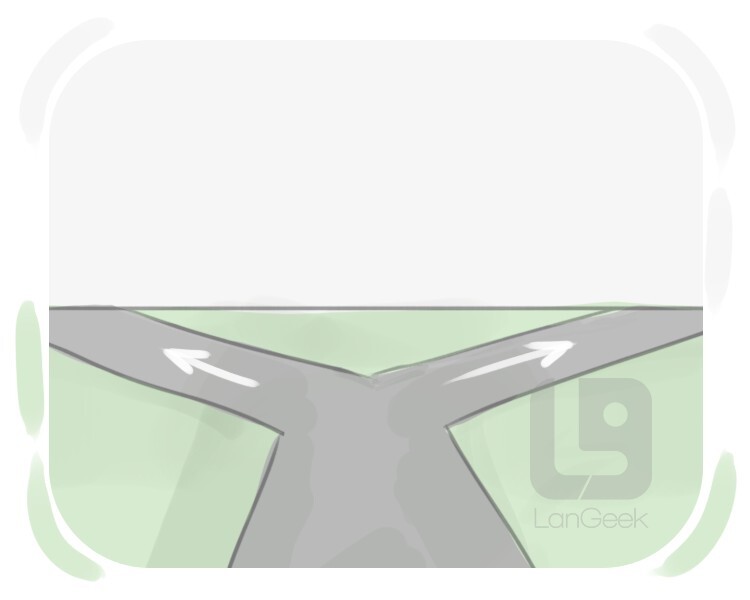
to move apart and continue in another direction
Intransitive
文法情報
形態的構成
派生語
移動動詞
規則的
現在時制
diverge
三人称単数
diverges
現在分詞
diverging
単純過去
diverged
過去分詞
diverged
例
As the river flowed downstream, it began to diverge into smaller tributaries.
川が下流に流れるにつれて、小さな支流に分岐し始めました。
02
分岐する, 外れる
to deviate or move away from an established path or norm
Intransitive: to diverge from a norm
例
The company decided to diverge from traditional marketing strategies and explore innovative digital campaigns.
同社は、従来のマーケティング戦略から離れ、革新的なデジタルキャンペーンを探求することを決めました。
03
分かれる, 異なる
(of views, opinions, etc.) to be different from each other
Intransitive
例
During the debate, the candidates' views began to diverge on key economic policies.
討論中、候補者の見解は主要な経済政策について分岐し始めた。
04
発散する, 収束しない
(of a mathematical sequence or series) to not have a finite limit
Intransitive
例
The infinite series 1 + 2 + 3 + 4 + ... diverges because it doesn't have a finite sum.
無限級数1 + 2 + 3 + 4 + ...は有限の和を持たないため発散します。
LanGeek
モバイルアプリをダウンロード

語彙ツリー
divergence
divergent
diverging
diverge

