

Szukaj





























to diverge
01
rozchodzić się, odbiegać
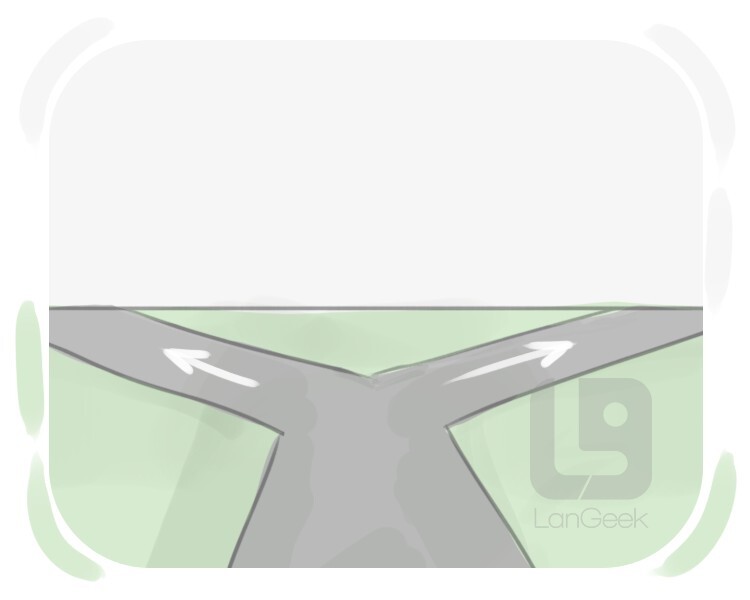
to move apart and continue in another direction
Intransitive
informacje gramatyczne
budowa morfologiczna
pochodny
czasownik ruchu
regularny
czas teraźniejszy
diverge
3. osoba liczby pojedynczej
diverges
imiesłów czynny
diverging
czas przeszły prosty
diverged
imiesłów bierny
diverged
Przykłady
As the river flowed downstream, it began to diverge into smaller tributaries.
Gdy rzeka płynęła w dół, zaczęła rozgałęziać się na mniejsze dopływy.
02
rozchodzić się, odbiegać
to deviate or move away from an established path or norm
Intransitive: to diverge from a norm
Przykłady
The company decided to diverge from traditional marketing strategies and explore innovative digital campaigns.
Firma postanowiła odejść od tradycyjnych strategii marketingowych i zbadać innowacyjne kampanie cyfrowe.
03
rozchodzić się, różnić się
(of views, opinions, etc.) to be different from each other
Intransitive
Przykłady
During the debate, the candidates' views began to diverge on key economic policies.
Podczas debaty poglądy kandydatów zaczęły rozchodzić się w kluczowych kwestiach polityki gospodarczej.
04
rozbiegać się, nie zbiegać się
(of a mathematical sequence or series) to not have a finite limit
Intransitive
Przykłady
The infinite series 1 + 2 + 3 + 4 + ... diverges because it doesn't have a finite sum.
Nieskończony szereg 1 + 2 + 3 + 4 + ... rozbiega się, ponieważ nie ma skończonej sumy.
LanGeek
Pobierz naszą aplikację mobilną

Drzewo Leksykalne
divergence
divergent
diverging
diverge

