






























to diverge
01
分叉, 偏离
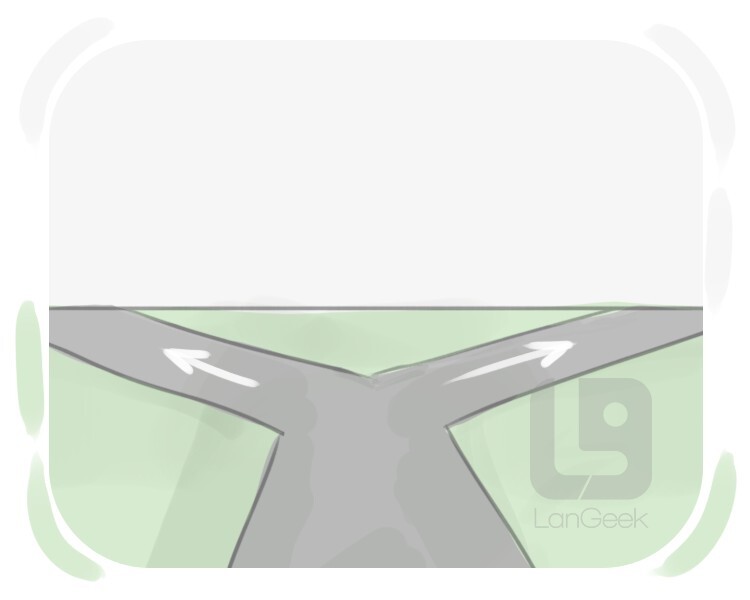
to move apart and continue in another direction
Intransitive
语法信息
形态构成
派生
运动动词
规则
现在时
diverge
第三人称单数
diverges
现在分词
diverging
一般过去时
diverged
过去分词
diverged
例子
As the river flowed downstream, it began to diverge into smaller tributaries.
当河流向下游流动时,它开始分叉成更小的支流。
02
分歧, 偏离
to deviate or move away from an established path or norm
Intransitive: to diverge from a norm
例子
The company decided to diverge from traditional marketing strategies and explore innovative digital campaigns.
公司决定偏离传统营销策略,探索创新的数字活动。
03
分歧, 不同
(of views, opinions, etc.) to be different from each other
Intransitive
例子
During the debate, the candidates' views began to diverge on key economic policies.
在辩论中,候选人对关键经济政策的看法开始分歧。
04
发散, 不收敛
(of a mathematical sequence or series) to not have a finite limit
Intransitive
例子
The infinite series 1 + 2 + 3 + 4 + ... diverges because it doesn't have a finite sum.
无限级数1 + 2 + 3 + 4 + ...发散,因为它没有有限和。
LanGeek
下载我们的移动应用

词汇树
divergence
divergent
diverging
diverge

