






























to bloom
01
咲く, 開花する
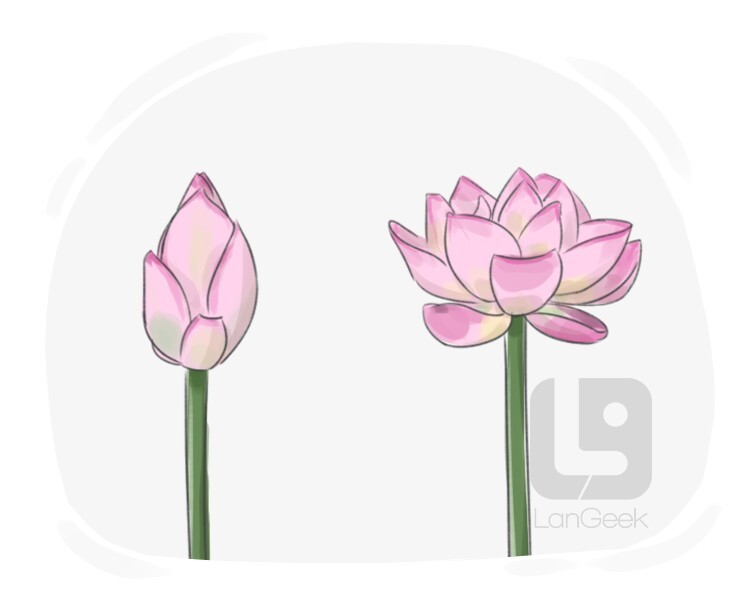
(of a plant) to produce flowers and display them in full color
Intransitive
文法情報
形態的構成
単純語
動作動詞
規則的
現在時制
bloom
三人称単数
blooms
現在分詞
blooming
単純過去
bloomed
過去分詞
bloomed
例
The rose bushes bloomed beautifully in the garden this summer.
この夏、庭のバラの茂みは美しく咲きました。
02
膨潤させる, 水に浸す
to allow a food ingredient, such as gelatin or yeast, to absorb liquid and soften or expand
Transitive: to bloom a food ingredient
Intransitive
例
Before adding gelatin to the dessert recipe, the chef let it bloom in cold water to ensure proper hydration.
デザートのレシピにゼラチンを加える前に、シェフは適切な水和を確保するために冷水で開花させました。
03
咲く, 繁栄する
to thrive or flourish, often reaching an optimal or beautiful state
Intransitive
例
The city’s economy bloomed with the arrival of new industries.
新しい産業の到着とともに、街の経済は花開いた。
Bloom
01
開花, 花咲き
the organic process through which a plant produces flowers
例
During the spring bloom, the entire meadow is carpeted with wildflowers.
春の開花の間、草原全体が野草の花で覆われています。
02
花, 開花
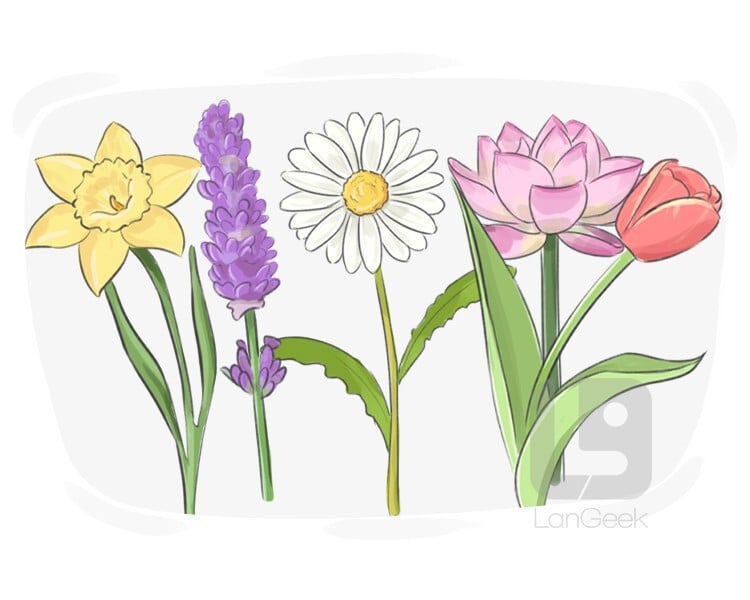
the reproductive structure of a flowering plant, often showy or colorful
例
Each bloom attracts pollinators like bees and butterflies.
各花は、ミツバチやチョウのような受粉媒介者を引き寄せます。
03
輝き, 若々しさ
a healthy, cheerful, or youthful glow on a person's face
文法情報
有生性の状態
抽象的
形態的構成
単純語
可算
singular
not gender specific
複数形
blooms
例
Her cheeks had a natural bloom after the morning walk.
朝の散歩の後、彼女の頬には自然な赤みがあった。
04
開花, 絶頂期
the peak or prime period of youth, vitality, or beauty
例
Athletes are often at their strongest in the bloom of youth.
アスリートは、若さの絶頂期に最も強いことが多い。
05
花, ブルーム
a powdery or waxy deposit that appears on a surface, often naturally occurring
例
The grape skins were covered with a natural bloom.
ブドウの皮は自然な花で覆われていました。
06
最盛期, 開花
a period of greatest prosperity, productivity, or flourishing
例
The 1920s were the bloom of the jazz age.
1920年代はジャズ時代の全盛期でした。
LanGeek
モバイルアプリをダウンロード

語彙ツリー
bloomer
blooming
blooming
bloom

