






























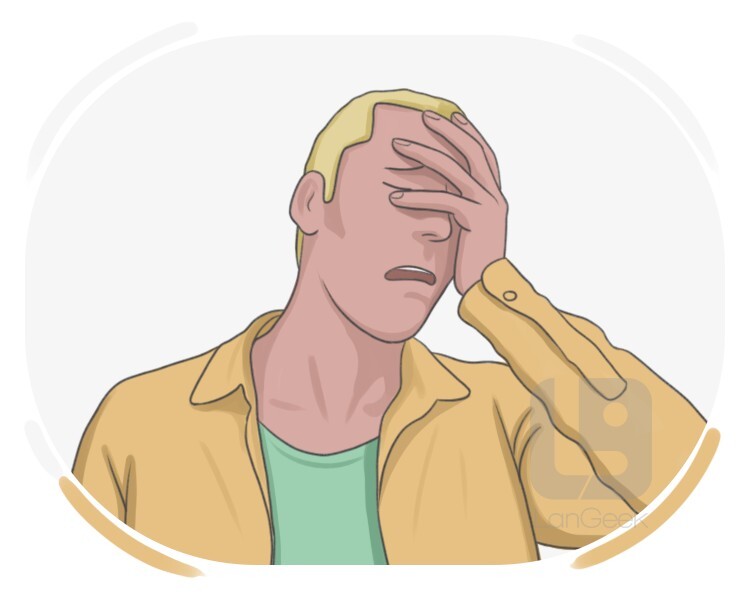
to sigh
01
ため息をつく, 深い息を吐く
to release a long deep audible breath, to express one's sadness, tiredness, etc.
Intransitive
文法情報
形態的構成
単純語
動作動詞
規則的
現在時制
sigh
三人称単数
sighs
現在分詞
sighing
単純過去
sighed
過去分詞
sighed
例
As he watched the sunset, he sighed, feeling a sense of peace and satisfaction.
彼は夕日を見ながら、ため息をつき、平和と満足感を感じた。
02
ため息をつく, 深い息を吐く
to express or convey emotions, such as relief, sadness, or contentment, by releasing a deep audible breath
Transitive: to sigh an emotion
例
Overwhelmed by exhaustion, she sighed her resignation to the long day ahead.
疲れに圧倒され、彼女はこれから待ち受ける長い一日への諦めをため息とともに表した。
Sigh
01
ため息, 吐息
an utterance produced by exhaling audibly, often expressing emotion such as relief, sadness, or fatigue
文法情報
有生性の状態
無生物
形態的構成
単純語
可算
singular
not gender specific
複数形
sighs
例
She let out a sigh of relief after the exam.
彼女は試験後に安堵のため息をついた。
02
ため息, そよ風
a sound resembling the exhalation of a person sighing
例
The sigh of the wind through the mountains was eerie.
山々を抜ける風のため息は不気味だった。
LanGeek


