






























to leave off
01
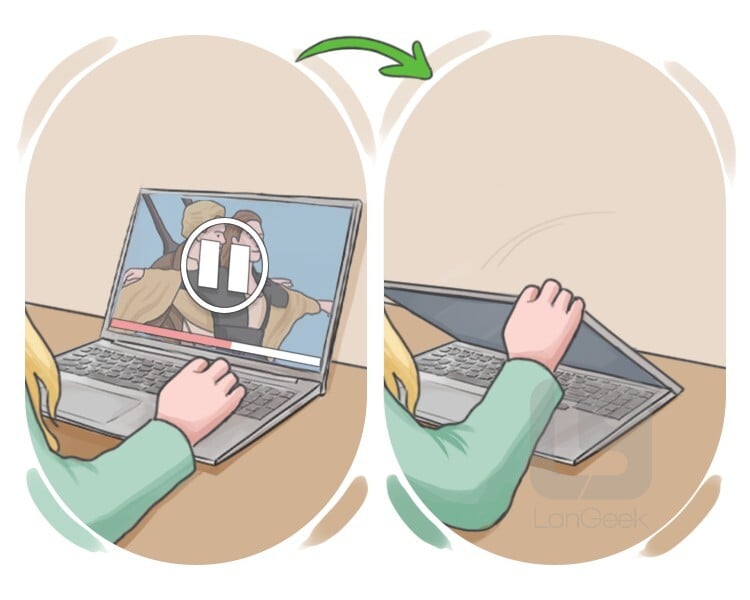
止める, 終える
to conclude or cease, often in an abrupt or incomplete manner
Intransitive: to leave off | to leave off with sth
文法情報
形態的構成
句動詞
動作動詞
規則的
分離不可
不変化詞
off
基本動詞
leave
現在時制
leave off
三人称単数
leaves off
現在分詞
leaving off
単純過去
left off
過去分詞
left off
例
The story leaves off with the protagonist facing an uncertain future, leaving readers eager for the sequel.
物語は主人公が不確かな未来に直面して終わり、読者に続編を待ち望ませる。
02
除外する, 省く
to exclude someone or something from a list, consideration, or selection
Transitive: to leave off sb/sth
例
The organizers left my name off from the invitation list, causing me to miss the event.
主催者は招待リストから私の名前を外したため、私はイベントを逃しました。
03
やめる, 中止する
to discontinue the use or consumption of something
Transitive: to leave off sue or consumption of something
例
The doctor advised me to leave off smoking, as it was detrimental to my health.
医者は私の健康に有害だったので、喫煙をやめるように助言しました。
04
やめる, 止める
to discontinue an activity, either temporarily or permanently
Intransitive
Transitive: to leave off an activity
例
Please leave off your incessant chatter and focus on the task at hand.
絶え間ないおしゃべりをやめて、手元のタスクに集中してください。


