



























to leave off
01
停止, 结束
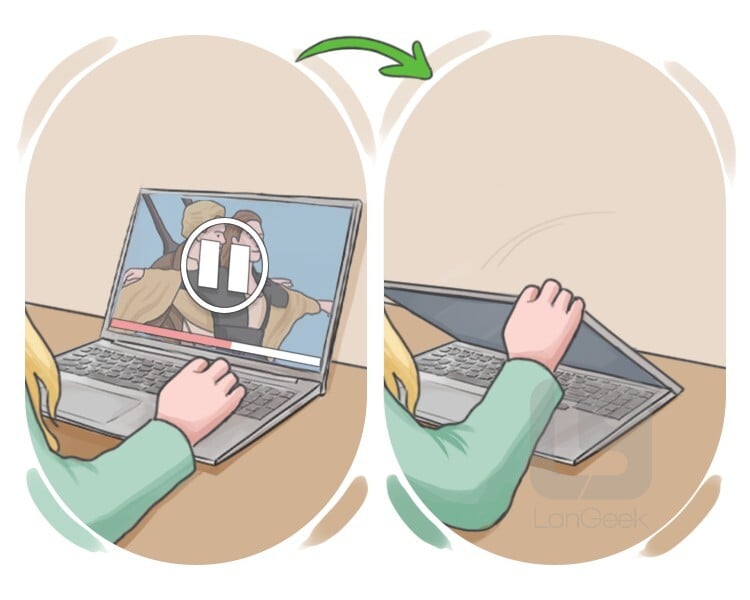
to conclude or cease, often in an abrupt or incomplete manner
Intransitive: to leave off | to leave off with sth
语法信息
形态构成
短语
动作动词
规则
不可分离
小品词
off
基本动词
leave
现在时
leave off
第三人称单数
leaves off
现在分词
leaving off
一般过去时
left off
过去分词
left off
例子
The story leaves off with the protagonist facing an uncertain future, leaving readers eager for the sequel.
故事戛然而止,主角面临着不确定的未来,让读者渴望续集。
02
排除, 省略
to exclude someone or something from a list, consideration, or selection
Transitive: to leave off sb/sth
例子
The organizers left my name off from the invitation list, causing me to miss the event.
组织者将我的名字从邀请名单中遗漏,导致我错过了活动。
03
停止, 戒掉
to discontinue the use or consumption of something
Transitive: to leave off sue or consumption of something
例子
The doctor advised me to leave off smoking, as it was detrimental to my health.
医生建议我戒掉吸烟,因为它对我的健康有害。
04
停止, 中断
to discontinue an activity, either temporarily or permanently
Intransitive
Transitive: to leave off an activity
例子
Please leave off your incessant chatter and focus on the task at hand.
请停止你不停的闲聊,专注于手头的任务。