

Cerca
Seleziona la lingua del dizionario





























to come off
01
cadere
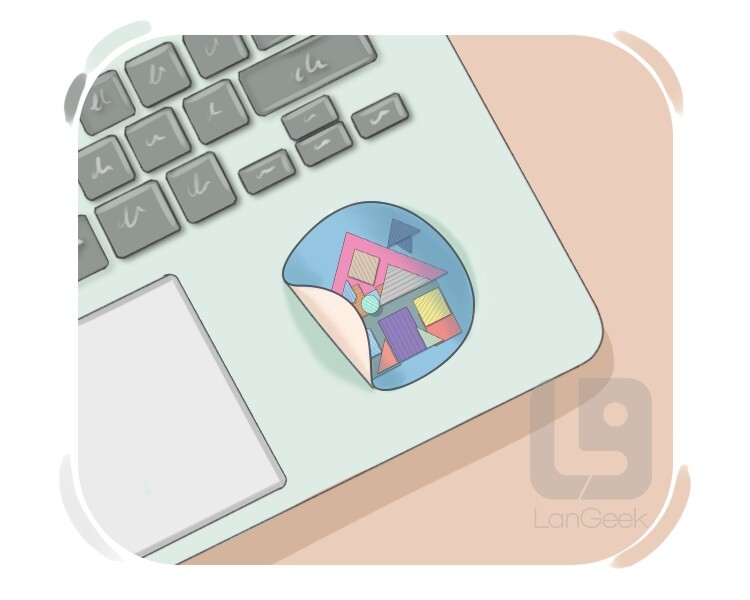
(of a portion or piece) to become detached or separated from a larger whole
informazioni grammaticali
composizione morfologica
frasale
verbo d’azione
regolare
inseparabile
particella
off
verbo base
come
presente
come off
3ª persona singolare
comes off
participio presente
coming off
passato semplice
came off
participio passato
come off
Esempi
The plaque on the wall came off after years of wear and tear.
La targa sul muro si è staccata dopo anni di usura.
02
essere percepito come, risultare
to be perceived or received in a certain way
Esempi
His joke didn't come off as intended and ended up causing offense.
La sua battuta non è andata come previsto e ha finito per causare offesa.
03
andare, riuscire
to occur in a specific way, often implying success or effectiveness
Esempi
The party came off as a huge success, with everyone enjoying themselves.
La festa si è rivelata un grande successo, con tutti che si sono divertiti.
04
venire via
to stop taking medicine, a drug, alcohol, etc.
Transitive
Esempi
The doctor advised him to gradually come off the medication after his condition improved.
Il medico gli ha consigliato di smettere gradualmente il farmaco dopo che le sue condizioni sono migliorate.
05
dare risultato
to succeed in achieving or doing something
Esempi
Despite the initial setbacks, they managed to come off with a successful product launch.
Nonostante i primi contrattempi, sono riusciti a riuscire con un lancio di prodotto di successo.
LanGeek


