


























to come off
01
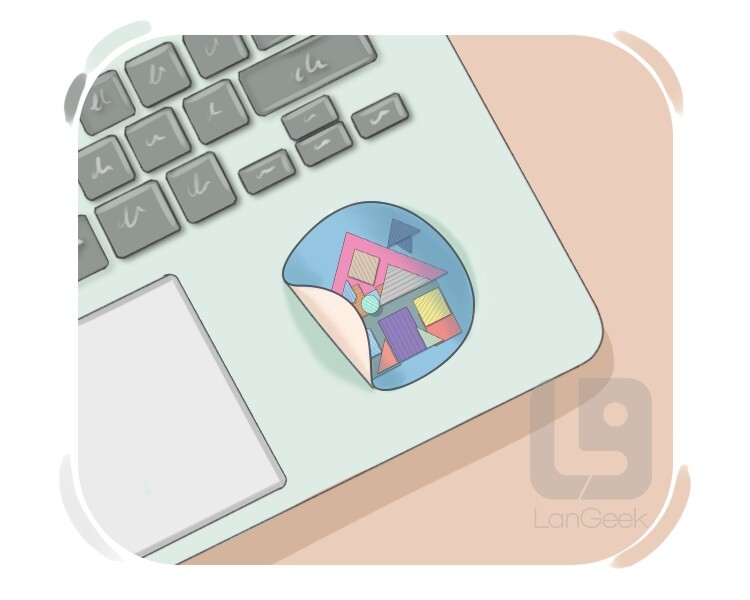
外れる, 剥がれる
(of a portion or piece) to become detached or separated from a larger whole
文法情報
形態的構成
句動詞
動作動詞
規則的
分離不可
不変化詞
off
基本動詞
come
現在時制
come off
三人称単数
comes off
現在分詞
coming off
単純過去
came off
過去分詞
come off
例
The plaque on the wall came off after years of wear and tear.
壁のプレートは何年も使われた後で外れた。
02
として受け取られる, ように見える
to be perceived or received in a certain way
例
His joke didn't come off as intended and ended up causing offense.
彼のジョークは意図したように受け取られず、結局は不快感を与える結果となった。
03
行われる, 成功する
to occur in a specific way, often implying success or effectiveness
例
The party came off as a huge success, with everyone enjoying themselves.
パーティーは大成功に終わり、皆が楽しんでいました。
04
服用をやめる, 離脱する
to stop taking medicine, a drug, alcohol, etc.
Transitive
例
The doctor advised him to gradually come off the medication after his condition improved.
医者は、彼の状態が改善した後、薬を徐々にやめるように助言しました。
05
成功する, 成し遂げる
to succeed in achieving or doing something
例
Despite the initial setbacks, they managed to come off with a successful product launch.
最初の挫折にもかかわらず、彼らは成功した製品発売で成功することができた。