

Hledat





























recent
gramatické informace
morfologické složení
jednoduché
kvalitativní
superlativ
most recent
komparativ
more recent
stupňovatelné
oblast
time, events
Příklady
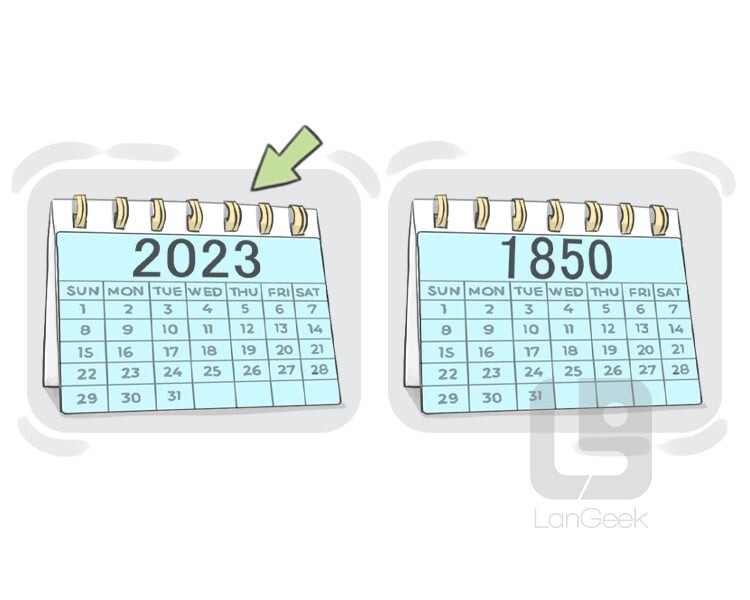
He is worried about his recent health problems.
Obává se svých nedávných zdravotních problémů.
Příklady
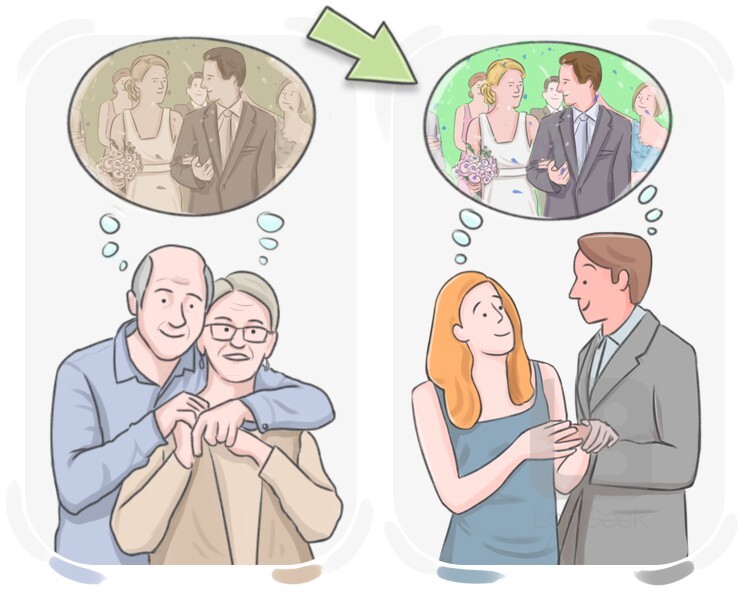
The recent smartphone model features cutting-edge technology.
Nejnovější model smartphonu disponuje špičkovou technologií.
03
nedávný, současný
used to to the Holocene epoch, the current geological period that began about 11,700 years ago, following the last major ice age
Příklady
The recent epoch has seen dramatic changes in Earth's climate and ecosystems.
Nedávná epocha zaznamenala dramatické změny v zemském klimatu a ekosystémech.
The recent
01
nedávno, nedávná doba
the current geological epoch that began approximately 11,700 years ago after the last major ice age
gramatické informace
stav životnosti
abstraktní
morfologické složení
jednoduché
nepočitatelné
singular
not gender specific
tvar množného čísla
recents
Příklady
Scientists study fossils from the recent to understand how species evolved in the Holocene.
Vědci studují fosilie z nedávné doby, aby pochopili, jak se druhy vyvíjely v holocénu.
LanGeek
Stáhněte si naši mobilní aplikaci

Lexikální Strom
recently
recentness
recent
rec

