

Hledat





























to move on
01
jít dál, překonat
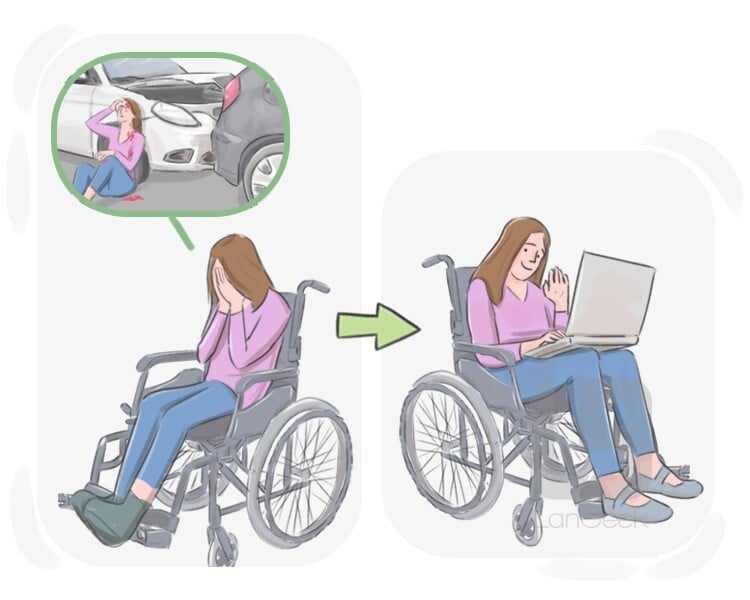
to accept a change or a new situation and be ready to continue with one's life and deal with new experiences, especially after a bad experience such as a breakup
Intransitive: to move on | to move on from an experience
gramatické informace
morfologické složení
frázové
dějové sloveso
pravidelné
neoddělitelný
částice
on
základní sloveso
move
přítomný čas
move on
3. osoba jednotného čísla
moves on
příčestí přítomné
moving on
minulý čas prostý
moved on
příčestí minulé
moved on
Příklady
After the divorce, she took time to heal and eventually found the strength to move on.
Po rozvodu si vzala čas na uzdravení a nakonec našla sílu jít dál.
02
odejít, pohnout se dál
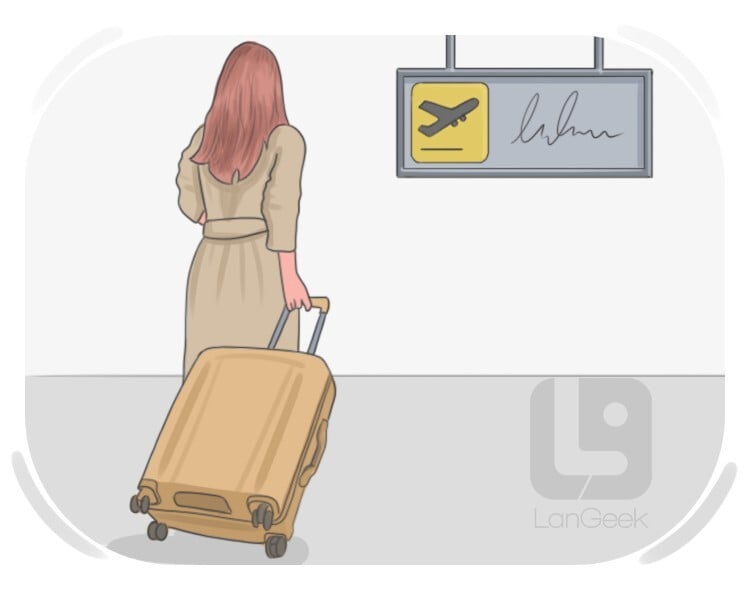
to depart or leave a specific location
Intransitive
Příklady
She quickly moved on after realizing the store was closed.
Rychle pokračovala, když si uvědomila, že obchod je zavřený.
03
přejít k, pokračovat
to transition or shift to a different topic or activity
Intransitive: to move on to a different topic
Příklady
After finishing the first part of the presentation, they decided to move on to the next agenda item.
Po dokončení první části prezentace se rozhodli přejít k dalšímu bodu programu.
04
pohnout dál, přesunout
(particularly of law enforcement) to instruct individuals to leave or distance themselves from a specific location
Transitive: to move on sb
Příklady
The police arrived and had to move the onlookers on to ensure the safety of the accident site.
Policie přijela a musela odklidit přihlížející, aby zajistila bezpečnost místa nehody.
LanGeek


