

Suchen
Wählen Sie die Wörterbuchsprache




























to move on
01
weitermachen, vorwärts gehen
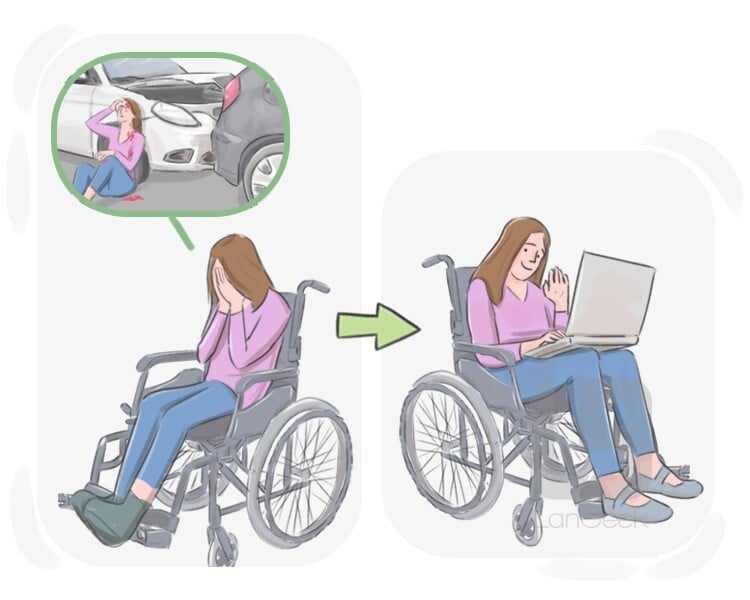
to accept a change or a new situation and be ready to continue with one's life and deal with new experiences, especially after a bad experience such as a breakup
Intransitive: to move on | to move on from an experience
Grammatische Informationen
morphologische Zusammensetzung
phrasal
Handlungsverb
regelmäßig
untrennbar
Partikel
on
Grundverb
move
Präsens
move on
3. Person Singular
moves on
Partizip Präsens
moving on
einfache Vergangenheit
moved on
Partizip Perfekt
moved on
Beispiele
After the divorce, she took time to heal and eventually found the strength to move on.
Nach der Scheidung nahm sie sich Zeit, um zu heilen, und fand schließlich die Kraft, weiterzumachen.
02
weitergehen, fortgehen
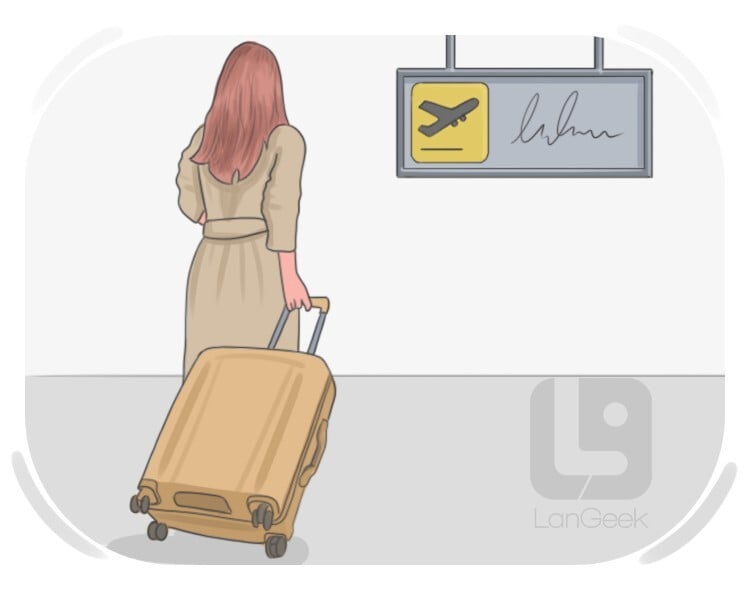
to depart or leave a specific location
Intransitive
Beispiele
She quickly moved on after realizing the store was closed.
Sie ging schnell weiter, nachdem sie festgestellt hatte, dass das Geschäft geschlossen war.
03
übergehen zu, weitermachen
to transition or shift to a different topic or activity
Intransitive: to move on to a different topic
Beispiele
After finishing the first part of the presentation, they decided to move on to the next agenda item.
Nachdem sie den ersten Teil der Präsentation beendet hatten, beschlossen sie, zum nächsten Tagesordnungspunkt überzugehen.
04
weitergehen lassen, verschieben
(particularly of law enforcement) to instruct individuals to leave or distance themselves from a specific location
Transitive: to move on sb
Beispiele
The police arrived and had to move the onlookers on to ensure the safety of the accident site.
Die Polizei traf ein und musste die Zuschauer weiterziehen lassen, um die Sicherheit der Unfallstelle zu gewährleisten.
LanGeek


