

Szukaj





























to move on
01
iść dalej, przejść
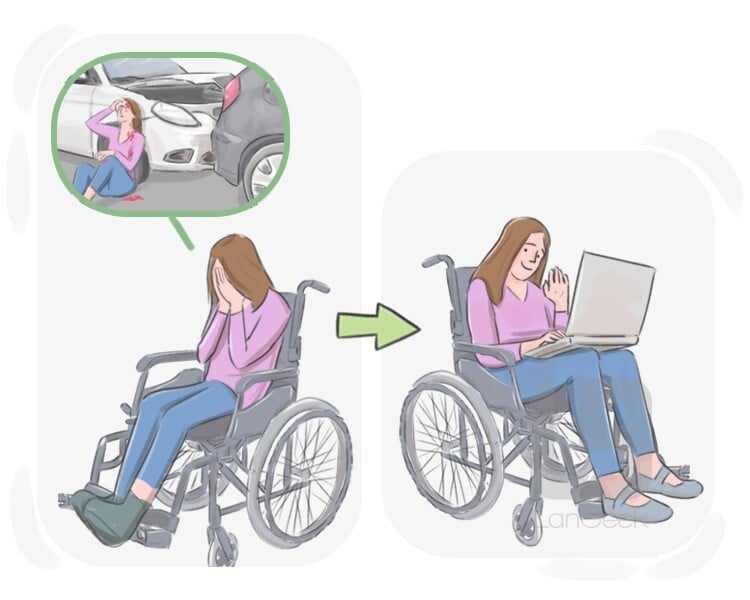
to accept a change or a new situation and be ready to continue with one's life and deal with new experiences, especially after a bad experience such as a breakup
Intransitive: to move on | to move on from an experience
informacje gramatyczne
budowa morfologiczna
frazowe
czasownik czynnościowy
regularny
nierozdzielny
partykuła
on
czasownik podstawowy
move
czas teraźniejszy
move on
3. osoba liczby pojedynczej
moves on
imiesłów czynny
moving on
czas przeszły prosty
moved on
imiesłów bierny
moved on
Przykłady
After the divorce, she took time to heal and eventually found the strength to move on.
Po rozwodzie wzięła czas na uleczenie i ostatecznie znalazła siłę, by iść dalej.
02
odejść, ruszyć dalej
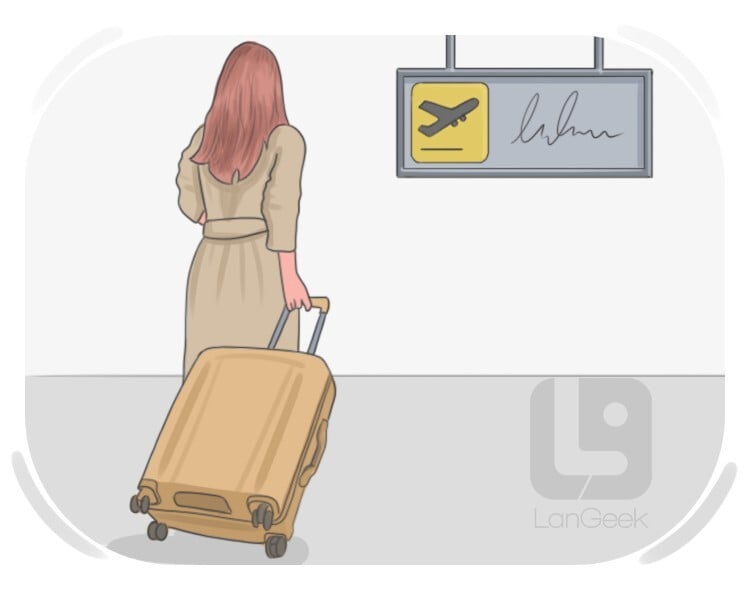
to depart or leave a specific location
Intransitive
Przykłady
She quickly moved on after realizing the store was closed.
Szybko odeszła, gdy zorientowała się, że sklep jest zamknięty.
03
przejść do, iść dalej
to transition or shift to a different topic or activity
Intransitive: to move on to a different topic
Przykłady
After finishing the first part of the presentation, they decided to move on to the next agenda item.
Po zakończeniu pierwszej części prezentacji zdecydowali się przejść do kolejnego punktu programu.
04
przemieszczać, odsunąć
(particularly of law enforcement) to instruct individuals to leave or distance themselves from a specific location
Transitive: to move on sb
Przykłady
The police arrived and had to move the onlookers on to ensure the safety of the accident site.
Policja przybyła i musiała przepędzić gapiów, aby zapewnić bezpieczeństwo miejsca wypadku.
LanGeek


