

Keresés
Válassza ki a szótár nyelvét





























to move on
01
továbblépni, túllépni
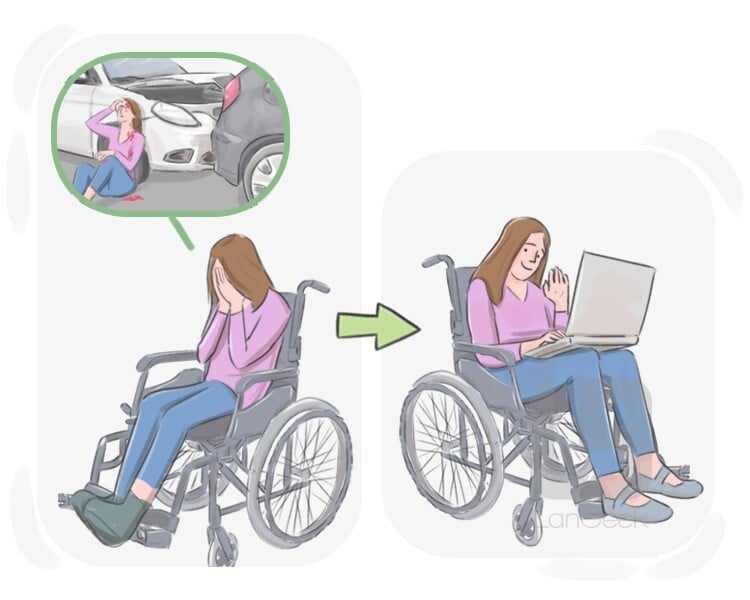
to accept a change or a new situation and be ready to continue with one's life and deal with new experiences, especially after a bad experience such as a breakup
Intransitive: to move on | to move on from an experience
nyelvtani információk
morfológiai összetétel
frazális
cselekvést jelentő ige
szabályos
elválaszthatatlan
partikula
on
alapige
move
jelen idő
move on
egyes szám 3. személy
moves on
folyamatos melléknévi igenév
moving on
egyszerű múlt
moved on
befejezett melléknévi igenév
moved on
Példák
After the divorce, she took time to heal and eventually found the strength to move on.
A válás után időt szentelt a gyógyulásra, és végül megtalálta az erőt, hogy továbblépjen.
02
továbblépni, elmenni
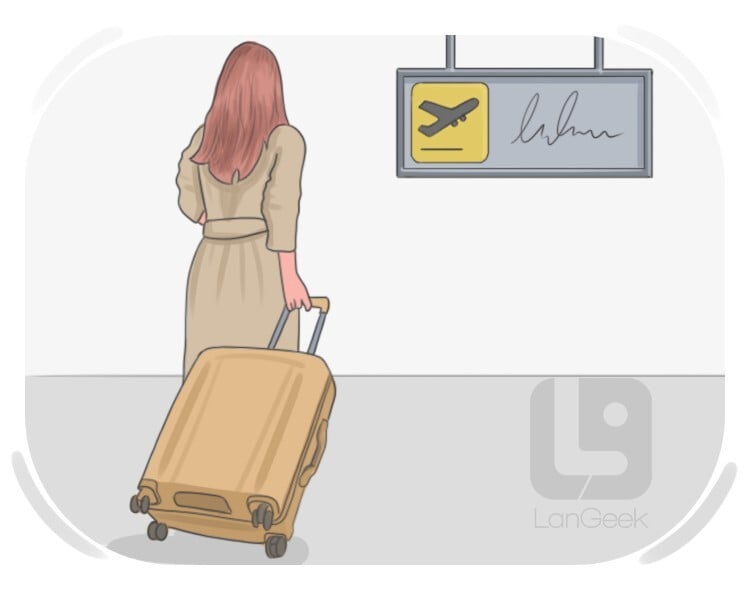
to depart or leave a specific location
Intransitive
Példák
She quickly moved on after realizing the store was closed.
Gyorsan továbbállt, miután rájött, hogy a bolt zárva van.
03
továbblépni, folytatni
to transition or shift to a different topic or activity
Intransitive: to move on to a different topic
Példák
After finishing the first part of the presentation, they decided to move on to the next agenda item.
Miután befejezték az előadás első részét, úgy döntöttek, hogy továbblépnek a következő napirendi pontra.
04
továbbít, elmozdít
(particularly of law enforcement) to instruct individuals to leave or distance themselves from a specific location
Transitive: to move on sb
Példák
The police arrived and had to move the onlookers on to ensure the safety of the accident site.
A rendőrség megérkezett, és el kellett mozdítania a nézőket, hogy biztosítsa a baleset helyszínének biztonságát.
LanGeek


