






























to move on
01
继续前进, 克服
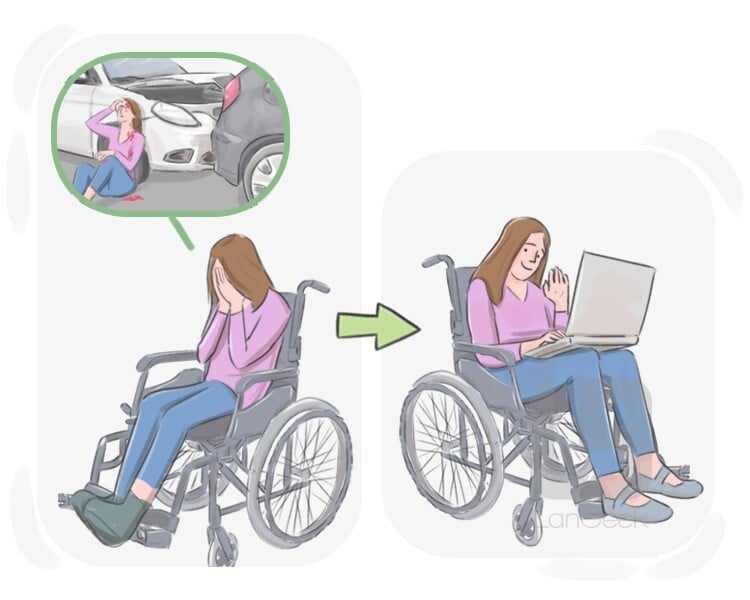
to accept a change or a new situation and be ready to continue with one's life and deal with new experiences, especially after a bad experience such as a breakup
Intransitive: to move on | to move on from an experience
语法信息
形态构成
短语
动作动词
规则
不可分离
小品词
on
基本动词
move
现在时
move on
第三人称单数
moves on
现在分词
moving on
一般过去时
moved on
过去分词
moved on
例子
After the divorce, she took time to heal and eventually found the strength to move on.
离婚后,她花时间疗伤,最终找到了继续前进的力量。
02
离开, 继续前进
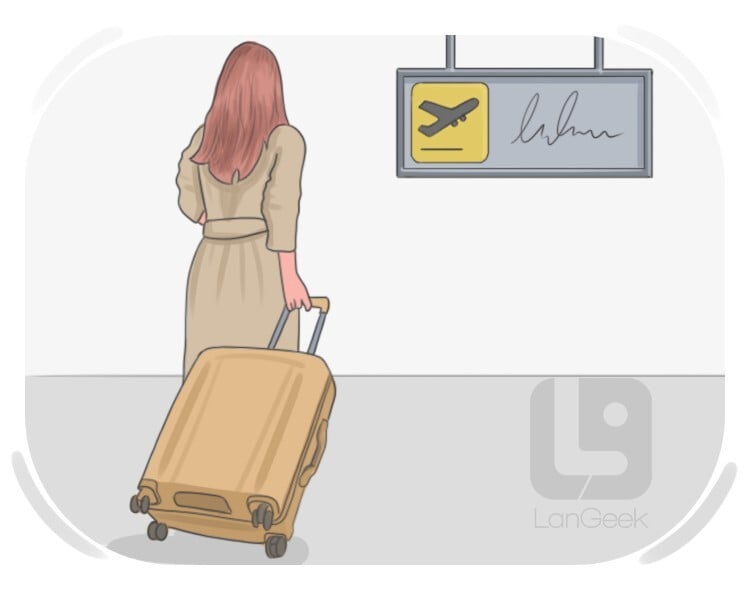
to depart or leave a specific location
Intransitive
例子
She quickly moved on after realizing the store was closed.
她意识到商店关门后就迅速离开了。
03
转到, 继续
to transition or shift to a different topic or activity
Intransitive: to move on to a different topic
例子
After finishing the first part of the presentation, they decided to move on to the next agenda item.
在完成演示的第一部分后,他们决定继续下一个议程项目。
04
移动, 使离开
(particularly of law enforcement) to instruct individuals to leave or distance themselves from a specific location
Transitive: to move on sb
例子
The police arrived and had to move the onlookers on to ensure the safety of the accident site.
警察到达后不得不驱散围观者以确保事故现场的安全。


