

অনুসন্ধান করুন
অভিধানের ভাষা নির্বাচন করুন





























to derive
01
অনুমান করা, স্থাপন করা
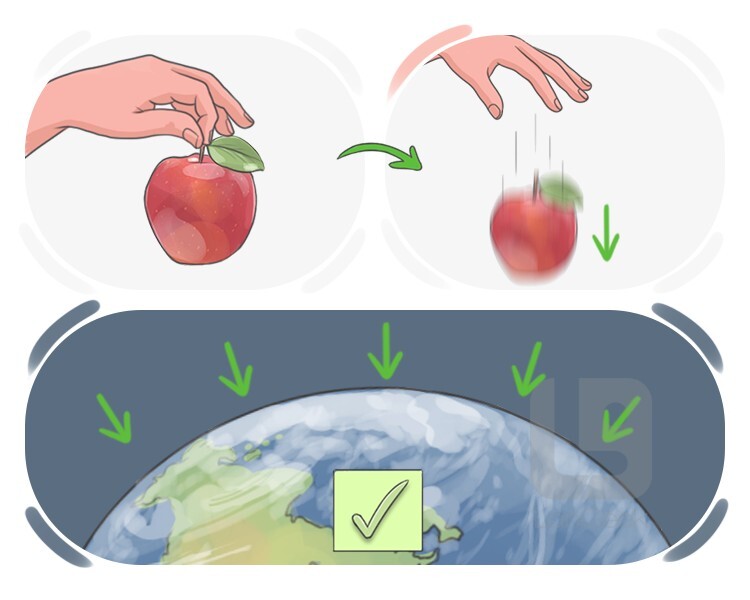
to figure out or establish something through logical analysis or reasoning
Transitive: to derive a conclusion
ব্যাকরণগত তথ্য
রূপগত গঠন
সরল
কর্মসূচক ক্রিয়া
নিয়মিত
বর্তমান কাল
derive
৩য় পুরুষ একবচন
derives
বর্তমান কৃদন্ত
deriving
সরল অতীত
derived
অতীত কৃদন্ত
derived
উদাহরণ
Scientists derive the laws of physics through rigorous experimentation and mathematical analysis.
বিজ্ঞানীরা কঠোর পরীক্ষা এবং গাণিতিক বিশ্লেষণের মাধ্যমে পদার্থবিজ্ঞানের সূত্রগুলি উপাত্ত করেন।
02
প্রাপ্ত করা, উদ্ভূত করা
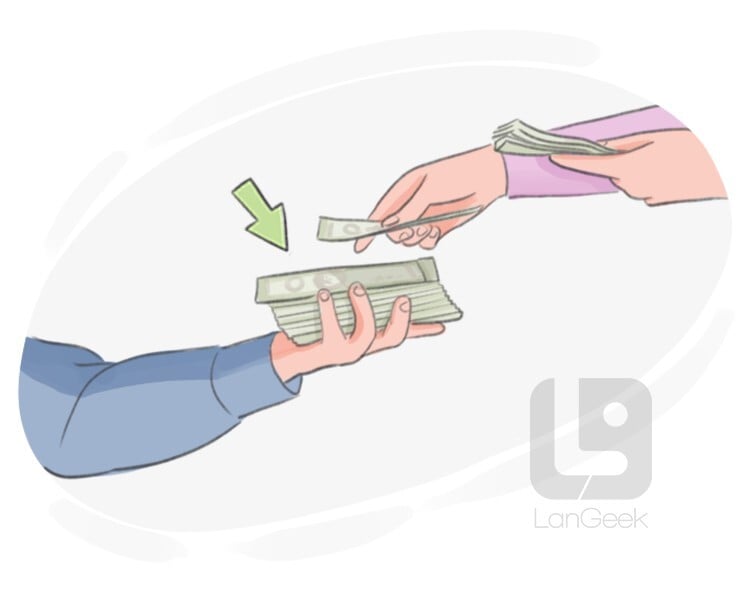
to get something from a specific source
Transitive: to derive sth from a source
উদাহরণ
She was able to derive valuable insights from her research on sustainable energy.
তিনি টেকসই শক্তি সম্পর্কে তার গবেষণা থেকে মূল্যবান অন্তর্দৃষ্টি অর্জন করতে সক্ষম হয়েছিলেন।
উদাহরণ
The novel's themes of love and betrayal derive from the author's personal experiences and observations.
উপন্যাসের প্রেম ও বিশ্বাসঘাতকতার বিষয়গুলি লেখকের ব্যক্তিগত অভিজ্ঞতা এবং পর্যবেক্ষণ থেকে উদ্ভূত হয়েছে।
LanGeek
আমাদের মোবাইল অ্যাপ ডাউনলোড করুন

শব্দতাত্ত্বিক গাছ
derivable
derivative
derivative
derive

