

অনুসন্ধান করুন
অভিধানের ভাষা নির্বাচন করুন





























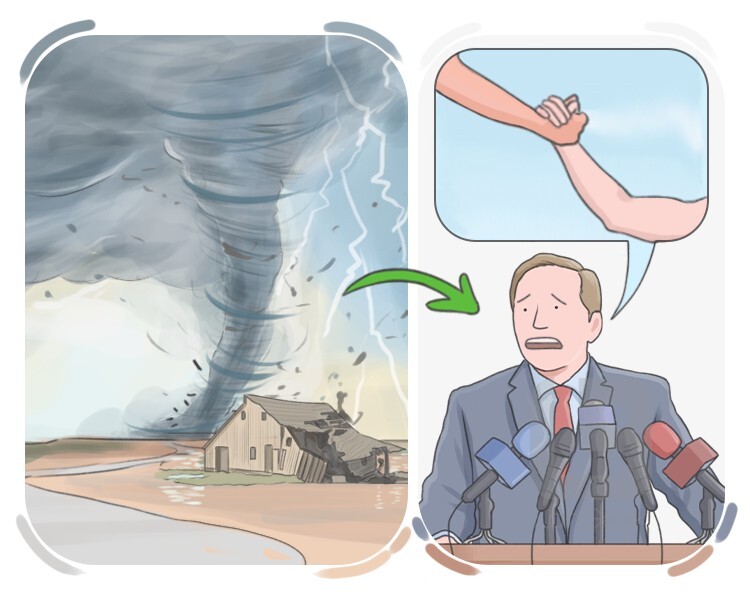
to call on
01
আহ্বান করা, অনুরোধ করা
to officially ask a person or organization to do something
Transitive: to call on sb
ব্যাকরণগত তথ্য
রূপগত গঠন
বাগধারামূলক
কর্মসূচক ক্রিয়া
নিয়মিত
অবিচ্ছেদ্য
কণা
on
মূল ক্রিয়া
call
বর্তমান কাল
call on
৩য় পুরুষ একবচন
calls on
বর্তমান কৃদন্ত
calling on
সরল অতীত
called on
অতীত কৃদন্ত
called on
উদাহরণ
The mayor called on the community for support during the crisis.
মেয়র সংকটের সময় সম্প্রদায়ের সমর্থনের জন্য আহ্বান করেছিলেন।
02
দেখা করতে যাওয়া, সংক্ষিপ্তভাবে দেখা করা
to casually and briefly visit someone
Dialect British
BritishTransitive: to call on sb

উদাহরণ
I'll call on my friend Sarah this evening.
আমি আজ সন্ধ্যায় আমার বন্ধু সারাকে দেখতে যাব।
03
সাহায্যের জন্য জিজ্ঞাসা করা, তথ্যের জন্য কারো সাথে যোগাযোগ করা
to ask for help or information from someone
Transitive: to call on sb
উদাহরণ
The employee called on her supervisor for clarification.
কর্মচারী স্পষ্টীকরণের জন্য তার সুপারভাইজারকে ডেকেছিলেন।
04
ব্যবহার করা, আশ্রয় নেওয়া
to use one's skills or qualities to get something done
Transitive: to call on one's skills or qualities
উদাহরণ
The chef called on his culinary expertise to craft a delicious dish.
শেফ একটি সুস্বাদু খাবার তৈরি করতে তার রন্ধনসম্পর্কীয় দক্ষতাকে আহ্বান করেছিলেন।
05
ডাকা, তাদের ধারণা প্রকাশ করতে বলা
to ask someone to express their ideas or respond, usually in a public or educational context
Transitive: to call on sb
উদাহরণ
In the seminar, the speaker called on attendees to engage in a collaborative discussion.
সেমিনারে, বক্তা অংশগ্রহণকারীদের একটি সহযোগিতামূলক আলোচনায় জড়িত হওয়ার জন্য অনুরোধ করেছিলেন।
06
ত্রুটি চিহ্নিত করা, সংশোধন করা
to identify and fix errors to ensure accuracy
Transitive: to call on sb
Ditransitive: to call on sb a mistake
উদাহরণ
She called the speaker on the misinformation during the debate.
তিনি বিতর্কের সময় ভুল তথ্যের উপর বক্তাকে ডেকেছিলেন।
LanGeek


