

অনুসন্ধান করুন
অভিধানের ভাষা নির্বাচন করুন





























to pull in
01
আকর্ষণ করা, টানা
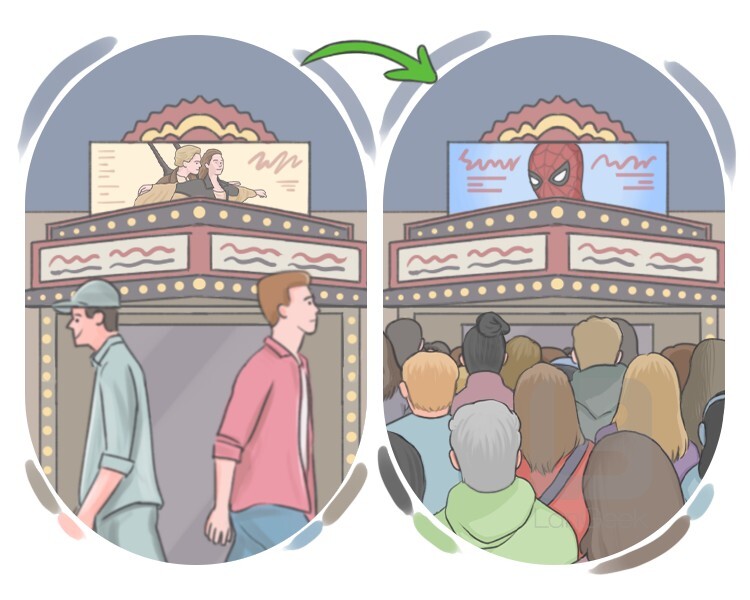
to attract or draw someone or something toward oneself, often due to charisma, influence, or distinct qualities
Transitive: to pull in a crowd or audience
ব্যাকরণগত তথ্য
রূপগত গঠন
বাগধারামূলক
কর্মসূচক ক্রিয়া
নিয়মিত
বিচ্ছেদযোগ্য
কণা
in
মূল ক্রিয়া
pull
বর্তমান কাল
pull in
৩য় পুরুষ একবচন
pulls in
বর্তমান কৃদন্ত
pulling in
সরল অতীত
pulled in
অতীত কৃদন্ত
pulled in
উদাহরণ
The new amusement park pulled in thousands of visitors on its opening day.
নতুন বিনোদন পার্ক তার উদ্বোধনের দিনে হাজার হাজার দর্শককে আকর্ষণ করেছিল।
02
পৌঁছানো, স্টেশনে আসা
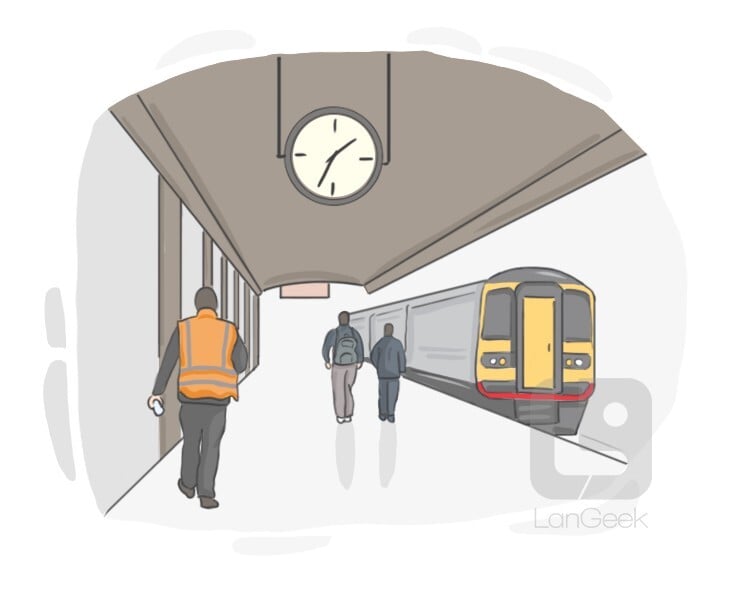
(of a train or bus) to arrive at a station
Intransitive
উদাহরণ
The train pulled in right on time.
ট্রেনটি ঠিক সময়ে পৌঁছেছে।
03
পাশে টানা, থামা
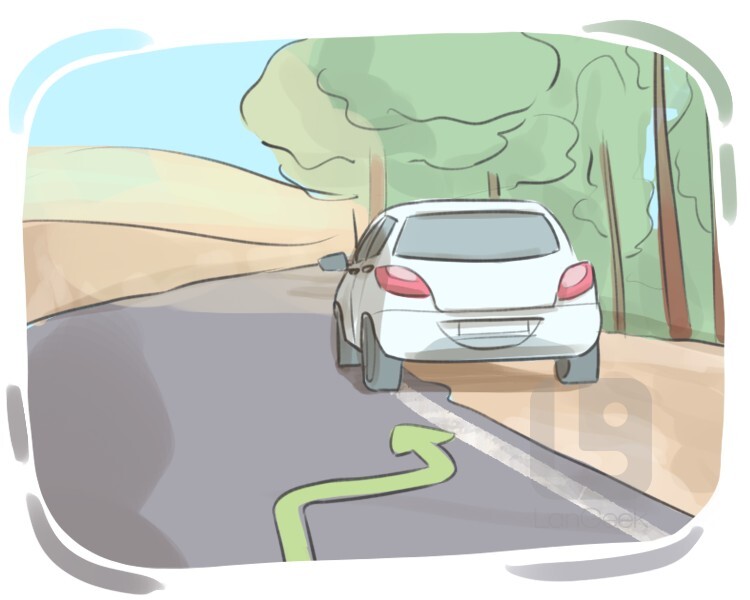
to direct a vehicle to move to the side of the road or to another location where it can stop
Intransitive
উদাহরণ
As I approached the school, I pulled in to drop off my daughter.
স্কুলের কাছে এলে, আমি আমার মেয়েকে নামানোর জন্য গাড়ি থামালাম।
04
জড়ো করা, একত্রিত করা
to gather or assemble people or things together
Transitive: to pull in sb/sth
উদাহরণ
The manager decided to pull all the team members in for an emergency meeting.
ম্যানেজার জরুরি বৈঠকের জন্য দলের সব সদস্যকে একত্রিত করার সিদ্ধান্ত নিয়েছেন।
05
আয় করা, অর্জন করা
to obtain money
Transitive: to pull in money
উদাহরণ
She pulls a good amount in from her side business.
সে তার পার্শ্ব ব্যবসা থেকে একটি ভাল পরিমাণ আয় করে।
06
গ্রেফতার করা, আটক করা
to arrest an individual, often for questioning
Transitive: to pull in sb
উদাহরণ
After the incident, three individuals were pulled in by the authorities.
ঘটনার পরে, তিন ব্যক্তিকে কর্তৃপক্ষ দ্বারা গ্রেপ্তার করা হয়েছিল।
07
টান, সংকীর্ণ করা
to tighten or make a gap smaller
Transitive: to pull in a gap
উদাহরণ
The curtains were too wide, so she pulled them in on both sides.
পর্দাগুলো খুব চওড়া ছিল, তাই সে দুই দিক থেকে টেনে নিল।
LanGeek


