

অনুসন্ধান করুন
অভিধানের ভাষা নির্বাচন করুন





























Pall
01
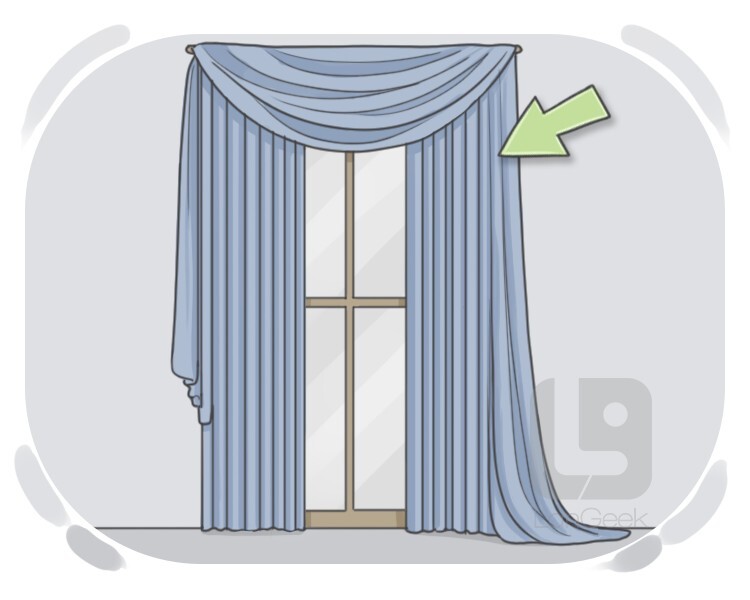
পরদা, আবরণ
a hanging piece of cloth used as a covering or screen, especially for a window or doorway
ব্যাকরণগত তথ্য
প্রাণবাচকতার অবস্থা
জড়
রূপগত গঠন
সরল
গণনীয়
plural
not gender specific
বহুবচন রূপ
palls
উদাহরণ
Heavy palls blocked the sunlight from entering the old room.
ভারী পরদা পুরানো ঘরে সূর্যের আলো প্রবেশ করতে বাধা দিচ্ছিল।
02
কাফন, শবাধার আবরণ
a cloth used to cover a coffin or the body of a deceased person
উদাহরণ
The coffin was covered with a black pall during the funeral.
শবযাত্রার সময় কফিনটি একটি কালো কাফন দিয়ে ঢাকা ছিল।
03
একটি ভারী পরিবেশ, একটি বিষণ্ণ বায়ুমণ্ডল
a heavy, gloomy, or oppressive atmosphere
উদাহরণ
A pall of silence fell over the crowd after the announcement.
ঘোষণার পর জনতার উপর একটি গভীর নীরবতা নেমে এল।
to pall
ব্যাকরণগত তথ্য
রূপগত গঠন
সরল
অবস্থাবাচক ক্রিয়া
নিয়মিত
বর্তমান কাল
pall
৩য় পুরুষ একবচন
palls
বর্তমান কৃদন্ত
palling
সরল অতীত
palled
অতীত কৃদন্ত
palled
উদাহরণ
The novelty of city life soon palled on him.
শহুরে জীবনের অভিনবত্ব শীঘ্রই তার কাছে ম্লান হয়ে গেল.
02
আবৃত করা, অন্ধকার করা
to envelop in gloom, silence, or obscurity
উদাহরণ
A thick fog palled the harbor, muting all color and sound.
একটি ঘন কুয়াশা বন্দরকে আবৃত করেছিল, সমস্ত রঙ এবং শব্দকে নিস্তব্ধ করে দিয়েছিল।
03
নিস্তেজ করা, ম্লান করা
to make something dull, flat, or less lively
উদাহরণ
The endless repetition palls the excitement of the performance.
অন্তহীন পুনরাবৃত্তি পারফরম্যান্সের উত্তেজনা ম্লান করে দেয়।
04
কাফন দিয়ে ঢাকা, আবৃত
to cover with a cloth used to cover a coffin
উদাহরণ
The coffin was palled with a flag during the ceremony.
অনুষ্ঠানের সময় কফিনটি একটি পতাকা দিয়ে ঢাকা ছিল।
05
হতাশ করা, মনোবল ভেঙে দেওয়া
to make someone lose courage or confidence
উদাহরণ
The failure did not pall his determination to try again.
ব্যর্থতা তার আবার চেষ্টা করার সংকল্পকে কমায়নি।
LanGeek


