

Search
Select the dictionary language





























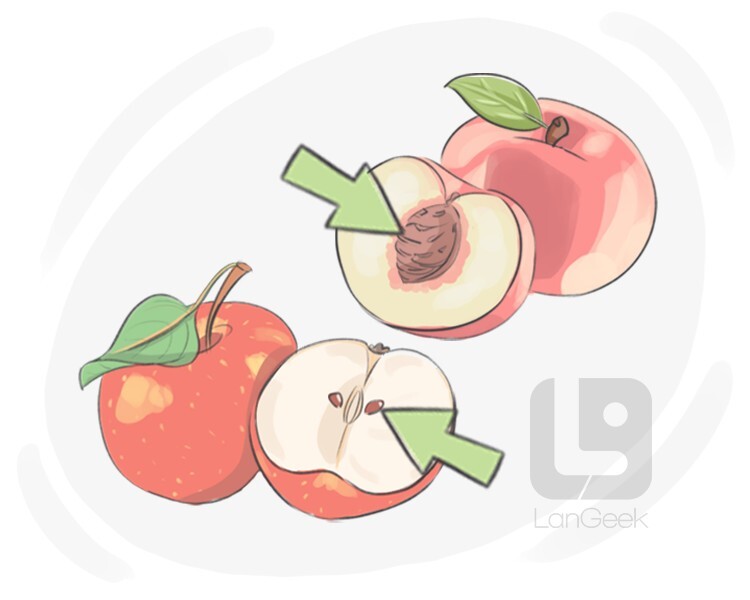
What is a "seed"?
A seed is a small, often hard object produced by a fruit or vegetable, containing the embryo of a new plant. Seeds serve as a means of reproduction and dispersal for plants, enabling them to propagate and spread across different environments. They contain all the genetic information and necessary nutrients for the development of a new plant. Seeds come in various shapes, sizes, and textures, and are a fundamental aspect of plant biology and agriculture. Additionally, seeds are a valuable source of nutrition for humans and animals, containing essential nutrients such as proteins, fats, and carbohydrates.
What is a "seed"?
A seed is a small, hard object that can grow into a new plant. It contains the young plant, known as the embryo, along with stored food to help it begin growing. Seeds come in many shapes and sizes, depending on the type of plant they come from. When planted in the right conditions, such as in soil with enough water and sunlight, a seed will start to grow, developing roots, stems, and leaves. Seeds are a fundamental part of plant reproduction and are used to grow crops, flowers, and trees.
the male reproductive fluid containing sperm necessary for conception
something that serves as the initial idea, inspiration, or starting point for later work or development
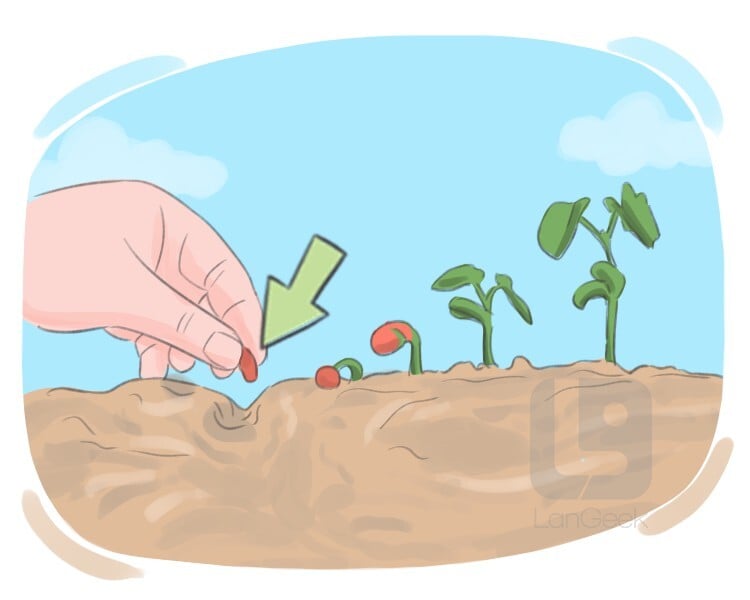
to spread small plant parts over soil to start their growth
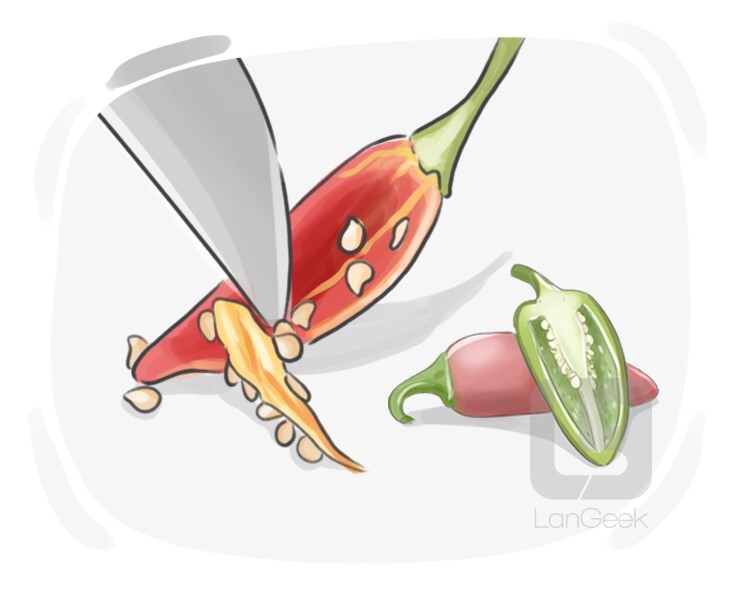
to remove the seeds from a fruit or vegetable
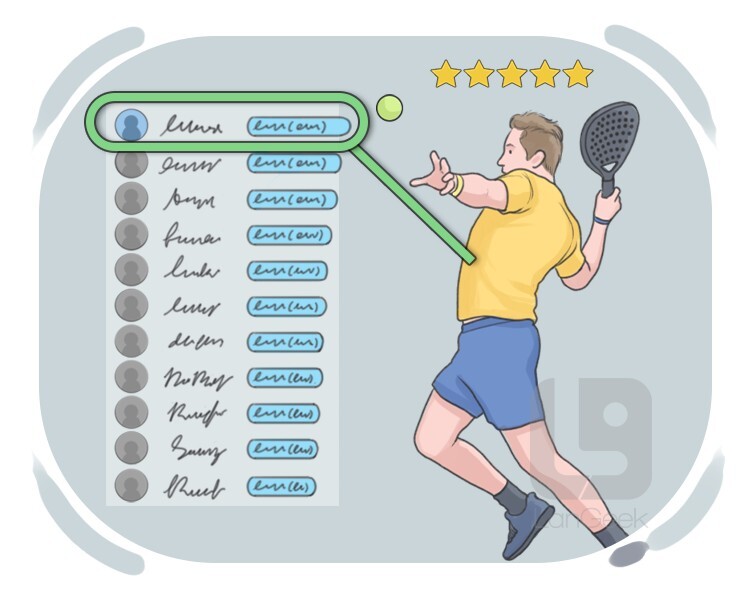
to arrange the positions of players or teams in a tournament
to introduce microorganisms or other substances into a medium or environment
to introduce a crystal or crystalline substance into a material, typically to promote crystallization or condensation
 American
to generate or develop seeds as part of a plant's reproductive process
to help initiate or establish something by providing the necessary resources
LanGeek
Download Our Mobile App

Lexical Tree

