

Szukaj





























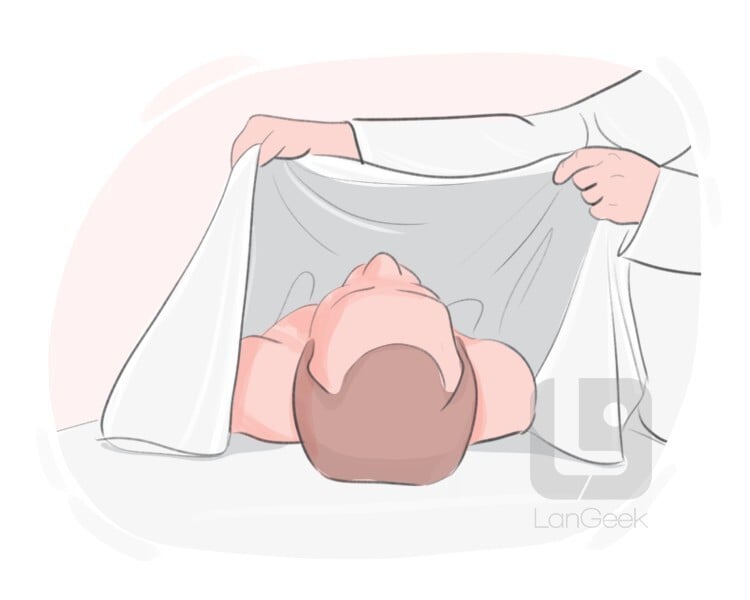
to die
01
umrzeć, zmarnować
to no longer be alive
Intransitive
informacje gramatyczne
budowa morfologiczna
prosty
czasownik stanu
regularny
czas teraźniejszy
die
3. osoba liczby pojedynczej
dies
imiesłów czynny
dying
czas przeszły prosty
died
imiesłów bierny
died
Przykłady
Unfortunately, her pet fish died after being in poor health for a week.
Niestety, jej rybka domowa zmarła po tygodniu złego stanu zdrowia.
02
umierać z ochoty, pragnąć
to have a strong longing or intense desire for something or someone
Transitive: to die to do sth | to die for sth

Przykłady
I'm dying for a cup of coffee right now.
03
umrzeć, przestać działać
to suddenly malfunction or stop operating
Intransitive
Przykłady
The TV died right in the middle of the game.
Telewizor zepsuł się w środku gry.
04
umierać, znikać
to cease to exist or be forgotten
Intransitive
Przykłady
The ancient traditions are slowly dying out.
Stare tradycje powoli umierają.
05
zgasnąć, wygasnąć
(of a fire or light) to no longer be burning or shining
Intransitive
Przykłady
The candle on the table died out, leaving the room in darkness.
Świeca na stole zgasła, pozostawiając pokój w ciemności.
Die
01
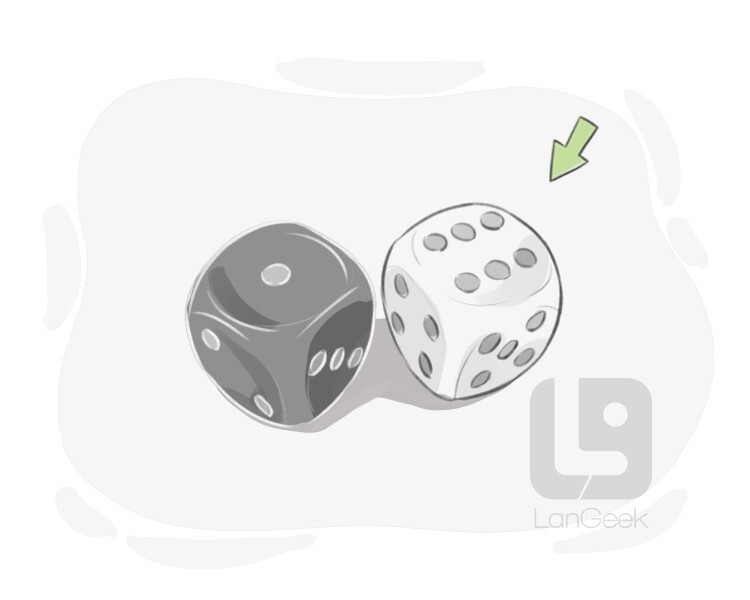
kość, kość do gry
a small cube marked on each face with one to six spots, used in games of chance
informacje gramatyczne
status żywotności
nieżywotny
budowa morfologiczna
prosty
policzalny
singular
not gender specific
forma liczby mnogiej
dice/dies
Przykłady
He rolled the die to see who would go first.
Rzucił kością, żeby zobaczyć, kto pójdzie pierwszy.
02
matryca, stempel
a tool used for shaping or forming metal
Przykłady
The machine pressed metal using a die.
Maszyna prasowała metal za pomocą matrycy.
03
gwintownik, narzędzie do nacinania gwintów
a cutting tool fitted into a diestock to cut external threads on screws, bolts, pipes, or rods
Przykłady
Dies must be aligned properly to cut clean threads.
Gwintownice muszą być prawidłowo ustawione, aby ciąć czyste gwinty.
LanGeek


