






























Fume
01
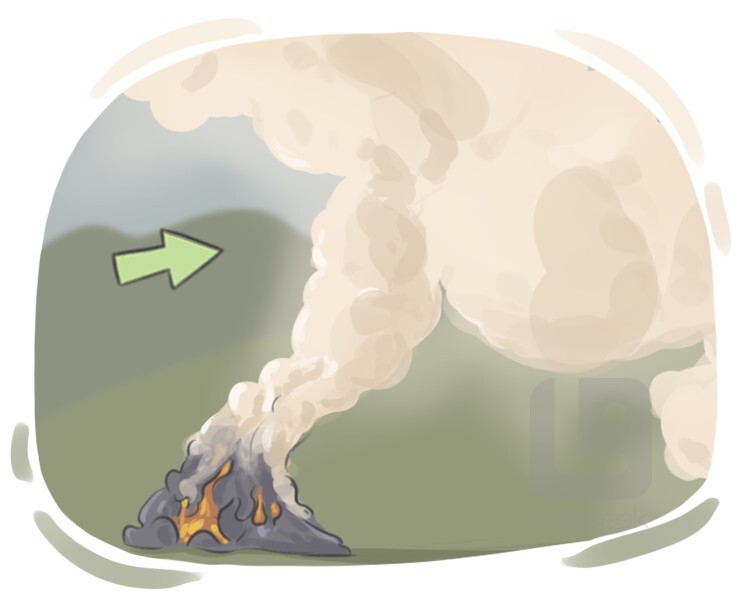
연기, 증기
smoke or gas that has a sharp smell or is harmful if inhaled
문법 정보
유생성 상태
무생물
형태적 구성
단순어
가산
plural
not gender specific
복수형
fumes
예시들
The factory released toxic fumes that posed a health risk to nearby residents.
공장에서 유독성 연기를 방출하여 근처 주민들의 건강에 위험을 초래했습니다.
to fume
01
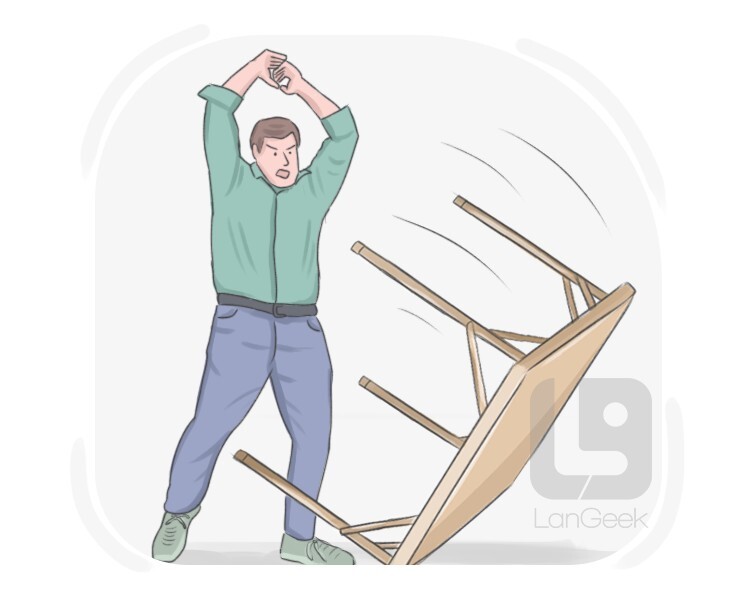
화를 내다, 분노하다
to be very angry, often showing signs of visible irritation
Intransitive: to fume with a negative emotion
문법 정보
형태적 구성
단순어
상태 동사
규칙
현재 시제
fume
3인칭 단수
fumes
현재분사
fuming
단순 과거
fumed
과거분사
fumed
예시들
She fumed silently as she waited for her delayed flight.
그녀는 지연된 비행기를 기다리며 조용히 화를 내며 있었다.
02
훈제하다, 연기에 노출시키다
to expose something to fumes or gases for a particular effect
Transitive: to fume sth
예시들
The workers fumed the metal to remove impurities.
노동자들은 불순물을 제거하기 위해 금속을 훈증했습니다.
03
연기를 내뿜다, 연기를 배출하다
to give off smoke, steam, or a gas
Intransitive
예시들
The car fumed as it started up in the cold morning air.
차가 추운 아침 공기에서 시동을 걸 때 연기를 뿜었다.


