






























to move on
01
계속하다, 극복하다
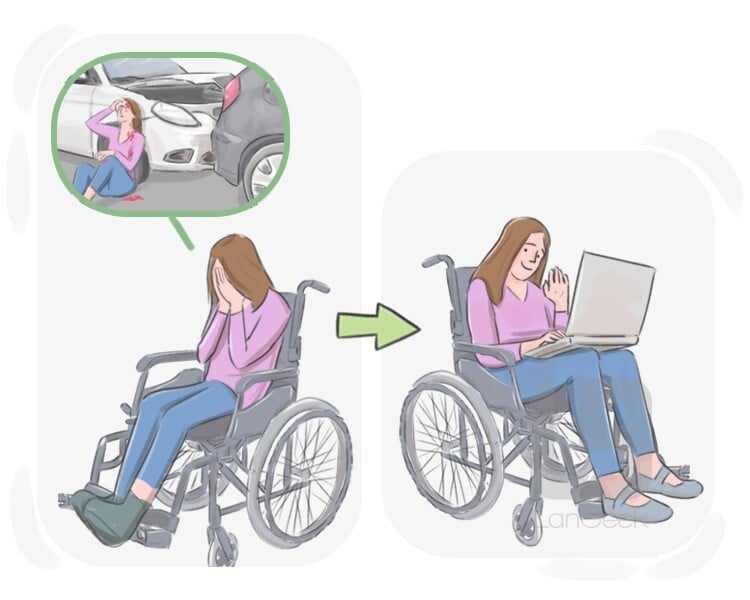
to accept a change or a new situation and be ready to continue with one's life and deal with new experiences, especially after a bad experience such as a breakup
Intransitive: to move on | to move on from an experience
문법 정보
형태적 구성
구동사
동작 동사
규칙
분리 불가능
불변화사
on
기본 동사
move
현재 시제
move on
3인칭 단수
moves on
현재분사
moving on
단순 과거
moved on
과거분사
moved on
예시들
After the divorce, she took time to heal and eventually found the strength to move on.
이혼 후, 그녀는 치유할 시간을 가졌고 결국 앞으로 나아갈 힘을 찾았습니다.
02
떠나다, 이동하다
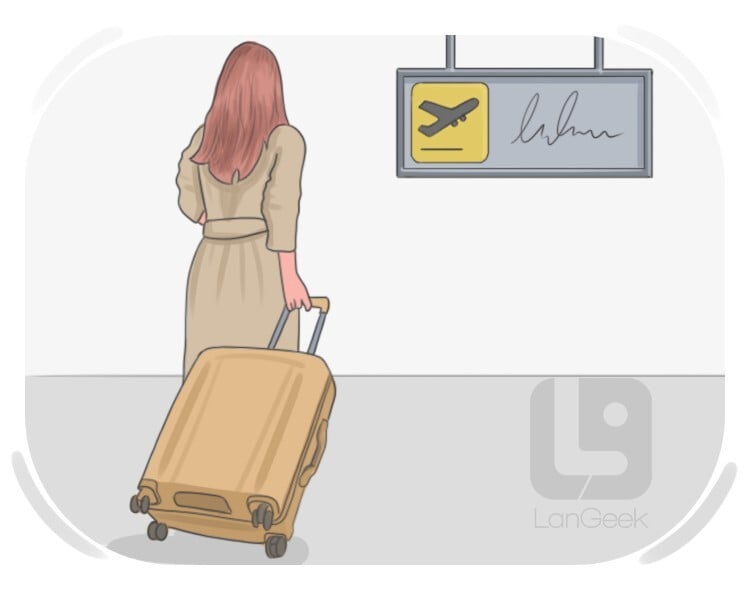
to depart or leave a specific location
Intransitive
예시들
She quickly moved on after realizing the store was closed.
그녀는 가게가 문을 닫았다는 것을 깨닫고 빨리 이동했다.
03
넘어가다, 계속하다
to transition or shift to a different topic or activity
Intransitive: to move on to a different topic
예시들
After finishing the first part of the presentation, they decided to move on to the next agenda item.
프레젠테이션의 첫 번째 부분을 마친 후, 그들은 다음 의제로 넘어가기로 결정했습니다.
04
이동시키다, 물러나게 하다
(particularly of law enforcement) to instruct individuals to leave or distance themselves from a specific location
Transitive: to move on sb
예시들
The police arrived and had to move the onlookers on to ensure the safety of the accident site.
경찰이 도착했고 사고 현장의 안전을 보장하기 위해 구경꾼들을 이동시켜야 했습니다.


