




























to abandon
01
捨てる
to leave someone with no intention of returning
Transitive: to abandon sb

文法情報
形態的構成
単純語
動作動詞
規則的
現在時制
abandon
三人称単数
abandons
現在分詞
abandoning
単純過去
abandoned
過去分詞
abandoned
例
Sarah felt a deep sense of pain when her parents decided to abandon her.
サラは、両親が彼女を見捨てると決めたとき、深い痛みを感じた。
1.1
放棄する, 捨てる
to stop supporting an idea, policy, concept, etc.
Transitive: to abandon an idea or belief
例
After careful consideration, he abandoned his previous beliefs and embraced a new ideology.
慎重に考慮した後、彼は以前の信念を捨て、新しいイデオロギーを受け入れました。
1.2
捨てる, 見捨てる
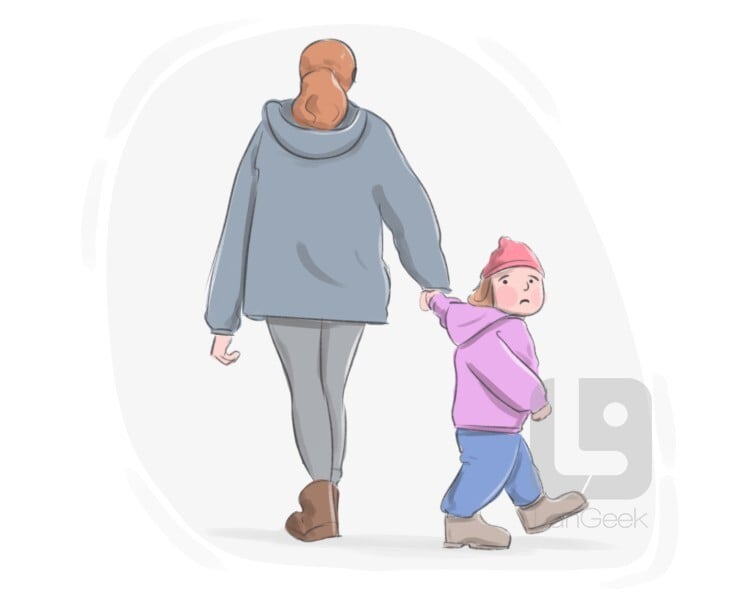
to leave a place, especially because it is difficult or dangerous to stay
Transitive: to abandon a place
例
As the hurricane approached, residents were advised to abandon their homes and seek shelter inland.
ハリケーンが接近するにつれ、住民は家を捨てて内陸に避難するよう勧められました。
02
放棄する, 見捨てる
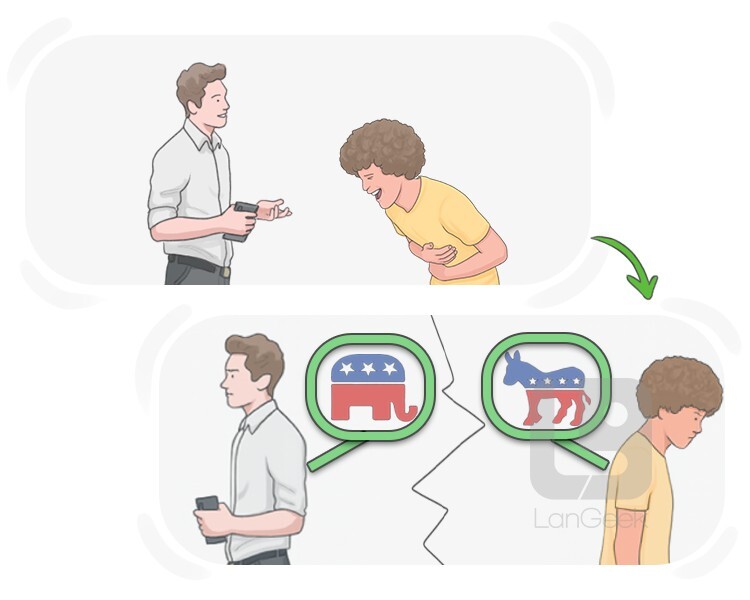
to no longer continue something altogether
Transitive: to abandon a plan or situation
例
Sarah finally mustered the courage to abandon her toxic relationship.
サラはついに、彼女の有害な関係を断ち切る勇気を奮い起こした。
Abandon
01
放棄, 抑制のない自由
the trait of lacking restraint or control; reckless freedom from inhibition or worry
文法情報
有生性の状態
抽象的
形態的構成
複合語
不可算
singular
not gender specific
02
放棄, 絶望
a feeling of extreme emotional intensity