






























to slump
01
倒れ込む, ぐったりと座る
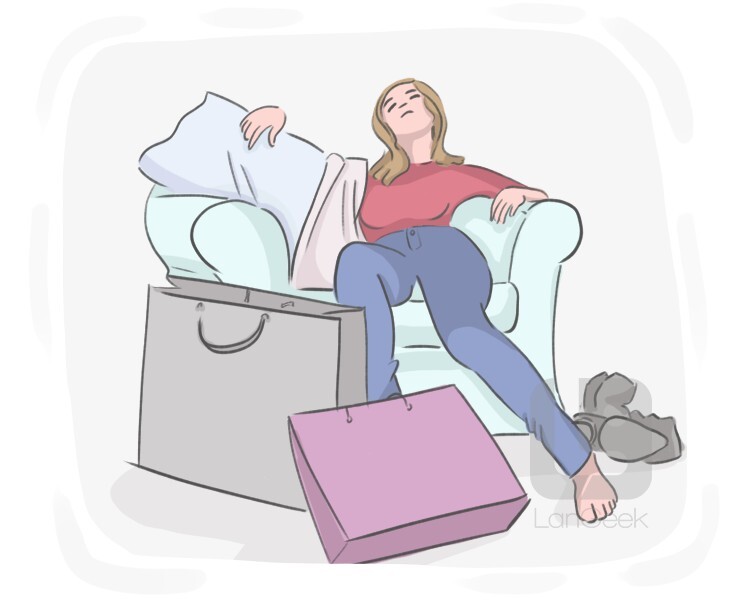
to sit, lean or fall heavily or suddenly, typically due to exhaustion, weakness, or lack of energy.
Intransitive
文法情報
形態的構成
単純語
移動動詞
規則的
現在時制
slump
三人称単数
slumps
現在分詞
slumping
単純過去
slumped
過去分詞
slumped
例
After the long hike, he slumped onto the rock, catching his breath and resting his tired legs.
長いハイキングの後、彼は岩の上に倒れ込み、息を整え、疲れた足を休めた。
02
急落する, 衰退する
to experience a significant failure or decline in performance, quality, or overall condition.
Intransitive
例
Despite early success, the team began to slump in the second half of the season.
初期の成功にもかかわらず、チームはシーズンの後半に低迷し始めました。
03
うなだれる, 猫背になる
to adopt a posture or carriage characterized by a noticeable drooping or slouching, often indicating weariness, dejection, or lack of energy
Intransitive
例
As the monotonous meeting continued, participants began to slump in their chairs.
単調な会議が続くにつれ、参加者は椅子にうなだれ始めた。
04
急落する, 暴落する
to experience a sudden and significant decrease or decline in price, value, or amount
Intransitive
例
The company's stock slumped after the unexpected economic downturn.
予期せぬ経済低迷の後、同社の株価は急落した。
Slump
01
低下, 悪化
a noticeable deterioration in performance or quality
文法情報
有生性の状態
抽象的
形態的構成
単純語
可算
singular
not gender specific
複数形
slumps
02
a prolonged period of economic decline with high unemployment, low trade, and reduced investment
例
The country's manufacturing sector suffered through a severe slump in the 1980s.
03
a sudden or significant fall in the price or value of something
例
The company suffered from a slump in oil prices.


