






























to move on
01
先に進む, 乗り越える
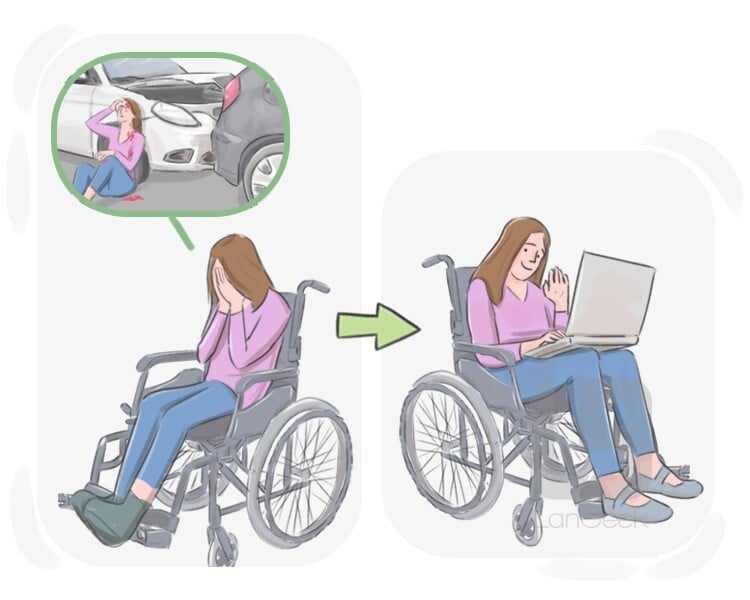
to accept a change or a new situation and be ready to continue with one's life and deal with new experiences, especially after a bad experience such as a breakup
Intransitive: to move on | to move on from an experience
文法情報
形態的構成
句動詞
動作動詞
規則的
分離不可
不変化詞
on
基本動詞
move
現在時制
move on
三人称単数
moves on
現在分詞
moving on
単純過去
moved on
過去分詞
moved on
例
After the divorce, she took time to heal and eventually found the strength to move on.
離婚後、彼女は癒えるための時間を取り、最終的には前進する力を得ました。
02
立ち去る, 去る
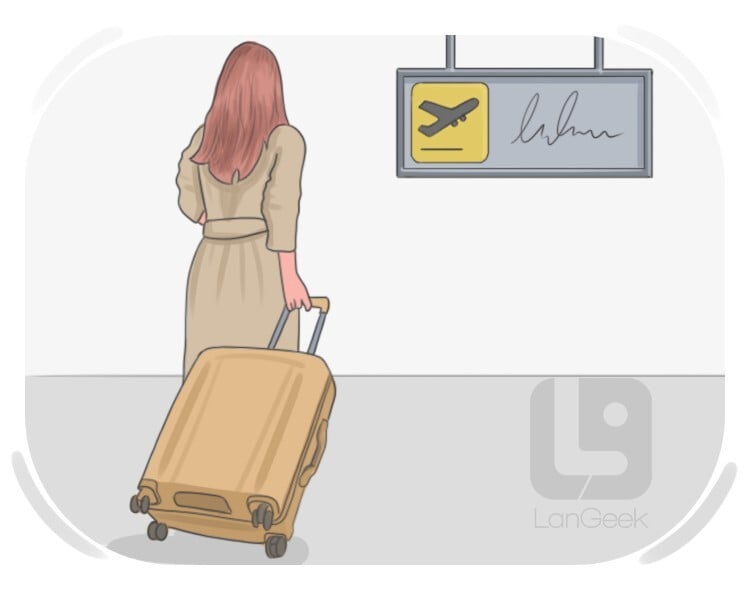
to depart or leave a specific location
Intransitive
例
She quickly moved on after realizing the store was closed.
彼女は店が閉まっていると気づくとすぐに移動しました。
03
次に進む, 先に進む
to transition or shift to a different topic or activity
Intransitive: to move on to a different topic
例
After finishing the first part of the presentation, they decided to move on to the next agenda item.
プレゼンテーションの最初の部分を終えた後、彼らは次の議題に移ることに決めました。
04
移動させる, 立ち去らせる
(particularly of law enforcement) to instruct individuals to leave or distance themselves from a specific location
Transitive: to move on sb
例
The police arrived and had to move the onlookers on to ensure the safety of the accident site.
警察が到着し、事故現場の安全を確保するために見物人を移動させなければならなかった。


