Rechercher
Sélectionnez la langue du dictionnaire





























to move on
01
passer à autre chose
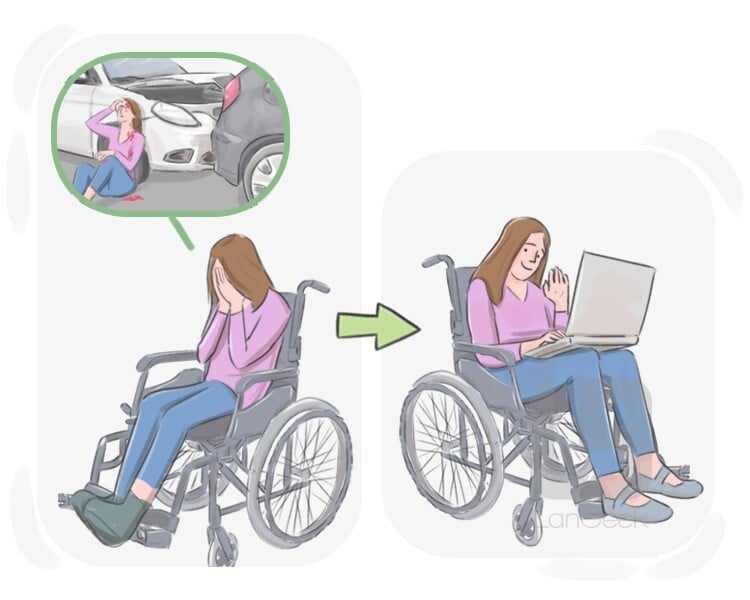
to accept a change or a new situation and be ready to continue with one's life and deal with new experiences, especially after a bad experience such as a breakup
Intransitive: to move on | to move on from an experience
informations grammaticales
composition morphologique
à particule
verbe d’action
régulier
inséparable
particule
on
verbe de base
move
présent
move on
3e personne du singulier
moves on
participe présent
moving on
passé simple
moved on
participe passé
moved on
Exemples
After the divorce, she took time to heal and eventually found the strength to move on.
Après le divorce, elle a pris le temps de guérir et a finalement trouvé la force de passer à autre chose.
02
partir, s'en aller
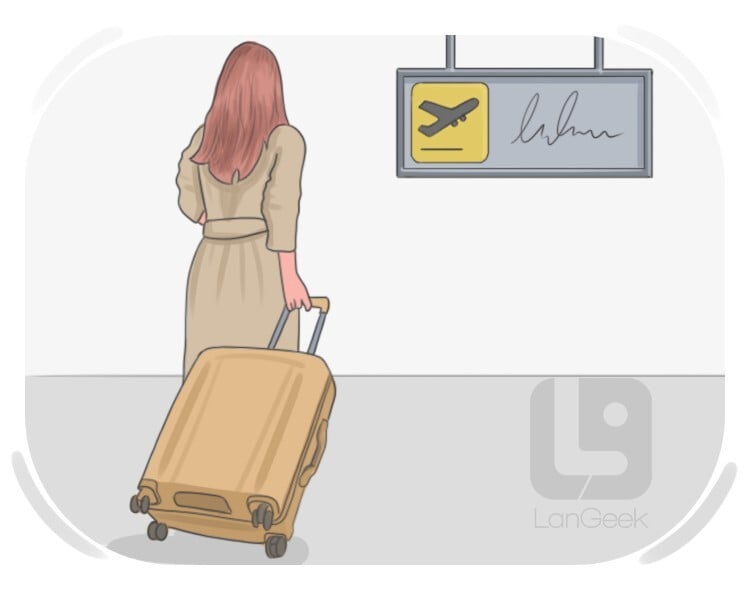
to depart or leave a specific location
Intransitive
Exemples
She quickly moved on after realizing the store was closed.
Elle est partie rapidement après avoir réalisé que le magasin était fermé.
03
passer à, avancer
to transition or shift to a different topic or activity
Intransitive: to move on to a different topic
Exemples
After finishing the first part of the presentation, they decided to move on to the next agenda item.
Après avoir terminé la première partie de la présentation, ils ont décidé de passer à l'élément suivant de l'ordre du jour.
04
faire circuler, déplacer
(particularly of law enforcement) to instruct individuals to leave or distance themselves from a specific location
Transitive: to move on sb
Exemples
The police arrived and had to move the onlookers on to ensure the safety of the accident site.
La police est arrivée et a dû faire circuler les badauds pour assurer la sécurité du site de l'accident.
LanGeek