

Search
Select the dictionary language





























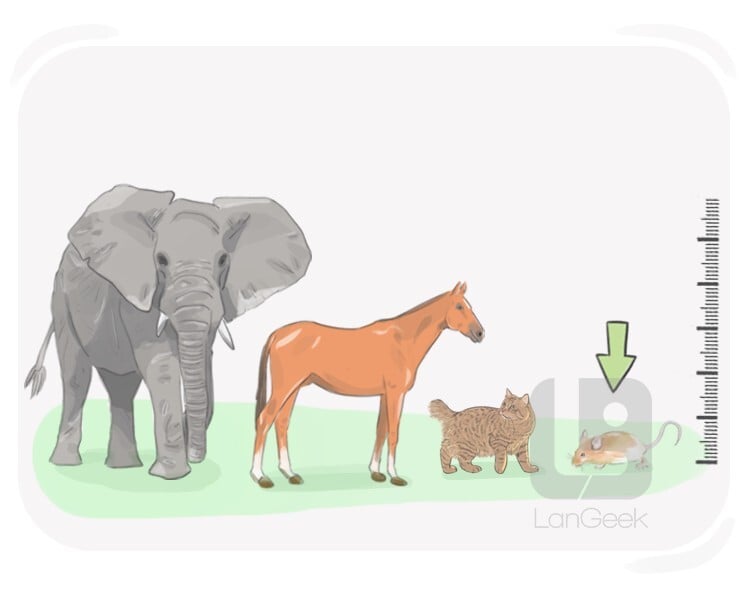
(of a name, suffix, or grammatical form) indicating smallness or a lesser degree, often used to convey affection
a word form or affix that is added to a base word to express smallness, endearment, or a sense of familiarity
What is a "diminutive"?
A diminutive is a word form that conveys a smaller size or a sense of affection or familiarity, often by adding a specific suffix to a base word. Diminutives can indicate not only physical size but also endearment or tenderness. For example, the word "dog" can become "doggy", and "book" can change to "booklet". These alterations often reflect a more casual or affectionate tone in communication. Diminutives are commonly used in various languages to express intimacy or warmth, allowing speakers to convey nuanced feelings towards people, animals, or objects.
LanGeek
Download Our Mobile App

Lexical Tree

