

Szukaj





























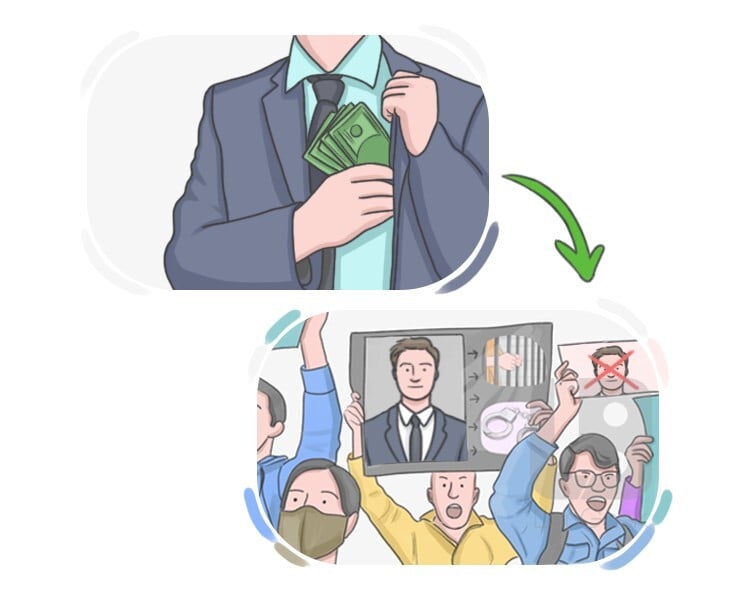
to denounce
01
potępiać, denuncjować
to publicly express one's disapproval of something or someone
Transitive: to denounce an action or behavior
informacje gramatyczne
budowa morfologiczna
pochodny
czasownik czynnościowy
regularny
czas teraźniejszy
denounce
3. osoba liczby pojedynczej
denounces
imiesłów czynny
denouncing
czas przeszły prosty
denounced
imiesłów bierny
denounced
Przykłady
The activist group denounced the government's decision to cut funding for education.
Grupa aktywistów potępiła decyzję rządu o cięciu funduszy na edukację.
02
wypowiedzieć, anulować
to formally declare the termination or cancellation of a treaty, agreement, or armistice
Transitive: to denounce an agreement
Przykłady
The president prepared to denounce the longstanding trade agreement with neighboring countries.
Prezydent przygotował się do wypowiedzenia długoletniej umowy handlowej z sąsiednimi krajami.
Przykłady
In fear for her safety, she agreed to denounce the criminal organization to law enforcement.
W obawie o swoje bezpieczeństwo zgodziła się denuncjować organizację przestępczą organom ścigania.
LanGeek
Pobierz naszą aplikację mobilną

Drzewo Leksykalne
denouncement
denunciation
denunciative
denounce

