

Szukaj





























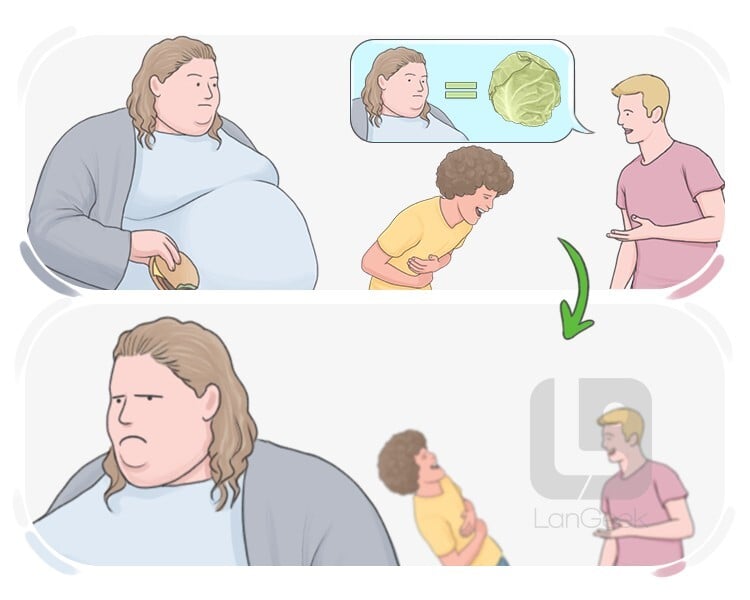
to offend
01
obrażać, ranić
to cause someone to feel disrespected, upset, etc.
Transitive: to offend sb
informacje gramatyczne
budowa morfologiczna
prosty
czasownik czynnościowy
regularny
czas teraźniejszy
offend
3. osoba liczby pojedynczej
offends
imiesłów czynny
offending
czas przeszły prosty
offended
imiesłów bierny
offended
Przykłady
His dismissive remarks about her achievements offended her and sparked resentment.
Jego lekceważące uwagi na temat jej osiągnięć obraziły ją i wzbudziły urazę.
02
obrażać, ranić
to feel hurt, insulted, or displeased by someone's words, actions, or behavior
Intransitive
Przykłady
She offends easily, often taking harmless comments as personal attacks.
Ona łatwo się obraża, często traktując nieszkodliwe komentarze jako osobiste ataki.
03
obrażać, niepokoić
to cause difficulty, discomfort, or pain
Transitive: to offend someone or their senses
Przykłady
The strong smell of fish in the market offended her sensitive nose.
Silny zapach ryb na rynku obraził jej wrażliwy nos.
04
naruszać, łamać
to go against established norms or principles
Transitive: to offend norms or principles
Przykłady
Speeding on the highway offends traffic laws and regulations.
Naruszenie ograniczeń prędkości na autostradzie narusza przepisy ruchu drogowego.
LanGeek
Pobierz naszą aplikację mobilną

Drzewo Leksykalne
offended
offender
offending
offend

