

Szukaj





























nasty
informacje gramatyczne
budowa morfologiczna
prosty
jakościowy
stopień najwyższy
nastiest
stopień wyższy
nastier
stopniowalne
dziedzina
sensation, evaluation, experience
Przykłady
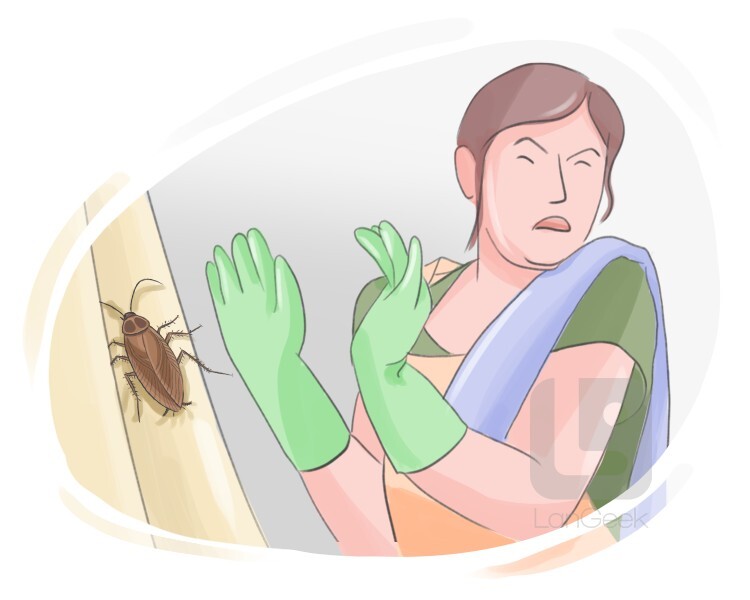
The nasty smell coming from the garbage bin made it difficult to stand nearby.
Ohydny zapach wydobywający się ze śmietnika utrudniał stanie w pobliżu.
02
poważny, niebezpieczny
extremely serious, dangerous, or difficult to deal with
Przykłady
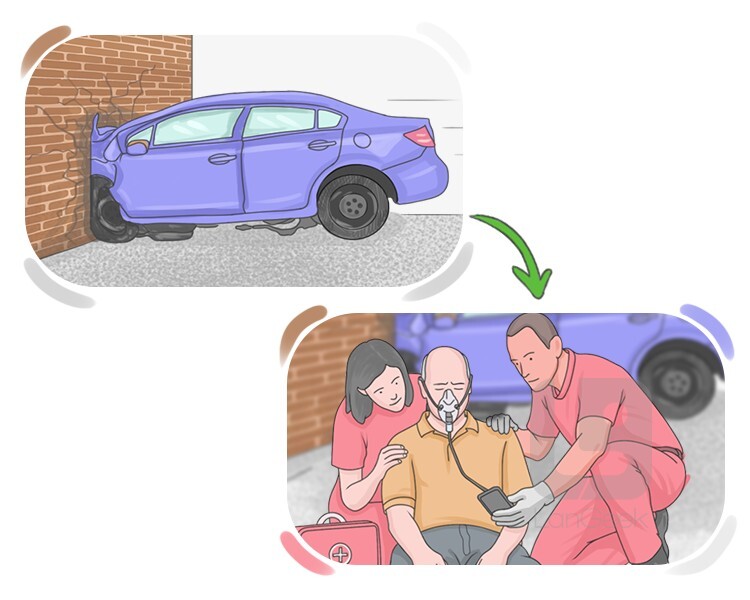
The hiker encountered a nasty storm while trekking in the mountains.
Wędrowiec napotkał gwałtowną burzę podczas wędrówki w górach.
03
złośliwy, złośliwie usposobiony
having or showing a desire to harm, insult, or annoy others deliberately
Przykłady
She's a nasty person who enjoys seeing others fail.
Ona jest nieprzyjemną osobą, która lubi widzieć, jak inni ponoszą porażki.
04
obrzydliwy, brudny
covered with unpleasant substances
Przykłady
The kitchen was nasty after the party.
Kuchnia była obrzydliwa po imprezie.
05
nieprzyzwoity, wulgarny
containing sexual or offensive content
Przykłady
The movie contained nasty jokes.
Film zawierał nieprzyzwoite żarty.
06
imponujący, wyjątkowy
used to describe something as fantastic, impressive, or exceptionally good, often in sports, music, or extreme activities
nieformalne
Przykłady
That was a nasty guitar solo—absolutely shredded!
To było wspaniałe solo na gitarze—absolutnie niesamowite!
LanGeek
Pobierz naszą aplikację mobilną

Drzewo Leksykalne
nastily
nastiness
nasty

