

Zoeken
Selecteer de woordenboektaal





























01
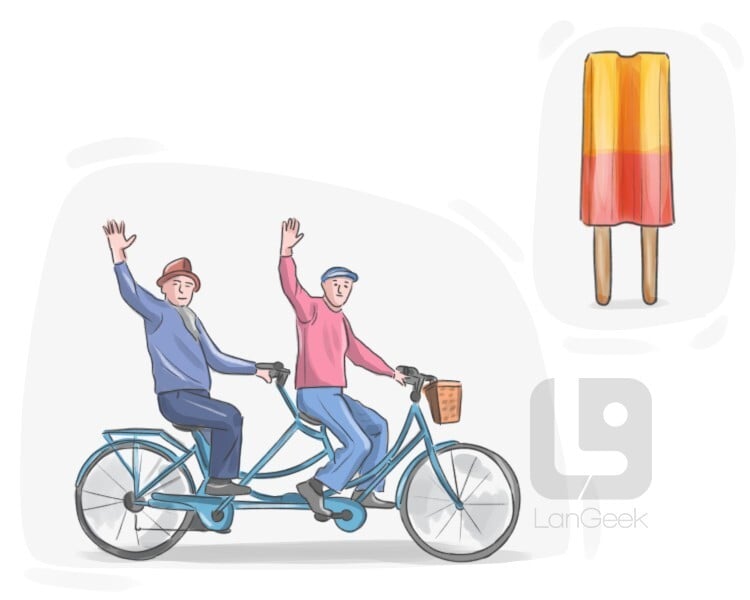
dubbel, duaal
having or consisting of two aspects, parts, functions, etc.
grammaticale informatie
morfologische samenstelling
enkelvoudig
kwalitatief
overtreffende trap
most dual
vergrotende trap
more dual
gradueerbaar
domein
quantity, structure, function
Voorbeelden
The job requires a dual skill set, combining both technical expertise and creative thinking.
De baan vereist een dubbele vaardighedenset, die zowel technische expertise als creatief denken combineert.
02
dual
(grammar) describing words in some languages that specifically indicate the presence of exactly two people or things
Voorbeelden
In Arabic, the dual form is used to distinguish between two objects or people.
In het Arabisch wordt de dual vorm gebruikt om onderscheid te maken tussen twee objecten of personen.
03
dubbel, met dubbele besturing
(of a flight) involving two people, typically an instructor and a student, in a training aircraft where both have access to controls
Voorbeelden
She logged her first dual flight with the instructor to practice basic maneuvers.
Ze logde haar eerste dubbele vlucht met de instructeur om basis manoeuvres te oefenen.
01
het dualis, de duale vorm
the grammatical category in some languages that specifically refers to two items, people, or things, distinct from singular and plural forms
grammaticale informatie
bezieldheidsstatus
abstract
morfologische samenstelling
enkelvoudig
telbaar
singular
not gender specific
meervoudsvorm
duals
Voorbeelden
In Classical Arabic, the dual is used to indicate exactly two of something, different from the singular and plural.
In het Klassiek Arabisch wordt het dualis gebruikt om precies twee van iets aan te duiden, anders dan enkelvoud en meervoud.
LanGeek


