






























dual
01
二重の, デュアル
having or consisting of two aspects, parts, functions, etc.
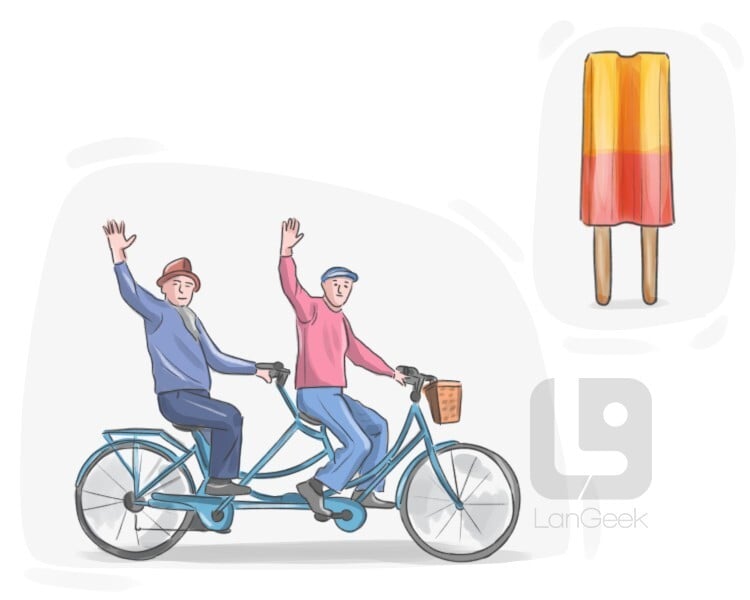
文法情報
形態的構成
単純語
性質形容詞
最上級
most dual
比較級
more dual
程度表現可
分野
quantity, structure, function
例
The job requires a dual skill set, combining both technical expertise and creative thinking.
その仕事は、技術的な専門知識と創造的な思考の両方を組み合わせた二重のスキルセットを必要とします。
02
双数
(grammar) describing words in some languages that specifically indicate the presence of exactly two people or things
例
In Arabic, the dual form is used to distinguish between two objects or people.
アラビア語では、双数形を使用して、2つの物または人を区別します。
03
デュアル, 複操縦の
(of a flight) involving two people, typically an instructor and a student, in a training aircraft where both have access to controls
例
She logged her first dual flight with the instructor to practice basic maneuvers.
彼女は基本的な操作を練習するためにインストラクターとの初めてのデュアル飛行を記録しました。
Dual
01
双数, 双数形
the grammatical category in some languages that specifically refers to two items, people, or things, distinct from singular and plural forms
文法情報
有生性の状態
抽象的
形態的構成
単純語
可算
singular
not gender specific
複数形
duals
例
In Classical Arabic, the dual is used to indicate exactly two of something, different from the singular and plural.
古典アラビア語では、双数は単数や複数とは異なり、正確に2つのものを指すために使用されます。


