






























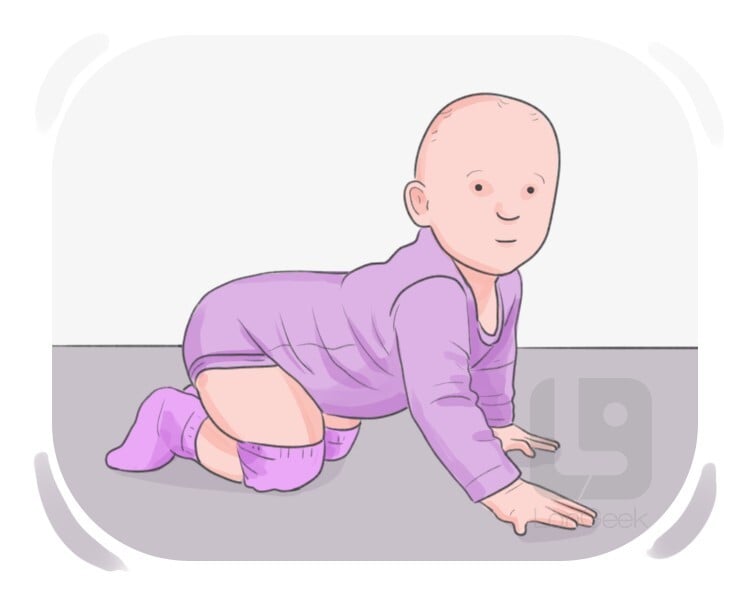
Baby
문법 정보
유생성 상태
인간
형태적 구성
단순어
가산
singular
not gender specific
복수형
babies
예시들
A babysitter was hired to take care of the baby while the parents were out.
부모가 외출하는 동안 아기를 돌보기 위해 베이비시터가 고용되었습니다.
1.1
아기, 애칭
a project of personal concern to someone
1.2
아기, 새끼
a very young mammal at an early stage of development
예시들
The baby bird chirped eagerly, waiting for its mother to return with food.
새끼 새는 어미가 음식을 가지고 돌아오기를 기다리며 열심히 지저귀었습니다.
1.3
막내, 가장 어린 멤버
the youngest member of a group (not necessarily young)
1.4
아기, 미성숙한 사람
an immature childish person
1.5
태아, 태어나지 않은 아기
an unborn child; a human fetus
02
보물, 애완
an object or thing that is considered precious, small, or important, often used affectionately or possessively
예시들
That car is his baby, he takes care of it like it's a child.
그 차는 그의 아기야, 그는 그것을 아이처럼 돌봐.
baby
01
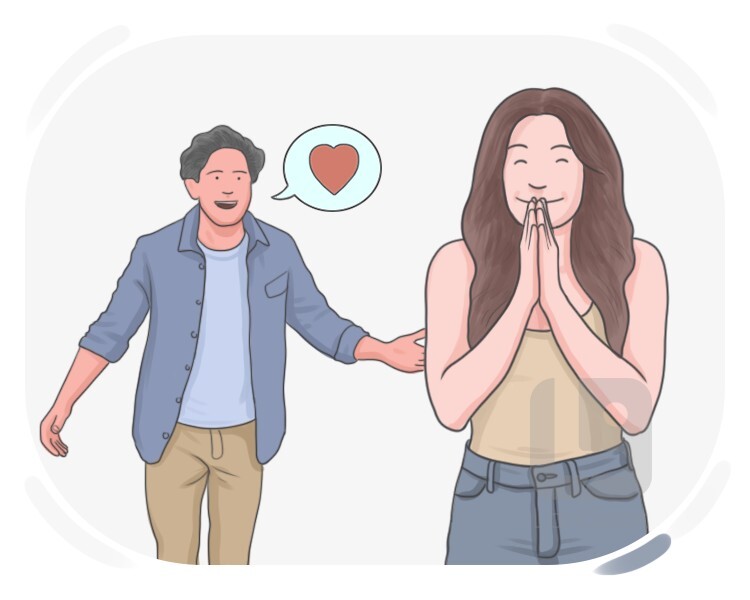
베이비, 자기야
used to address a person one loves, especially one's husband, wife, or partner
예시들
Hey baby, how was your day?
자기야, 오늘 하루 어땠어?
to baby
01
귀여워하다, 과잉 보호하다
treat with excessive indulgence
문법 정보
형태적 구성
파생어
동작 동사
규칙
현재 시제
baby
3인칭 단수
babies
현재분사
babying
단순 과거
babied
과거분사
babied
baby
01
아기, 미니어처
referring to something that is very small, like a baby animal or a small version of something
문법 정보
형태적 구성
단순어
성질형
최상급
babiest
비교급
babier
등급화 가능
분야
size, diminutives, animals
예시들
Baby carrots are often sweeter and more delicate in texture than fully grown ones.
베이비 당근은 완전히 자란 당근보다 종종 더 달고 질감이 더 부드럽습니다.
LanGeek
모바일 앱 다운로드

어휘 나무
babyhood
baby

