






























Hedge
01
生垣, 緑の垣根
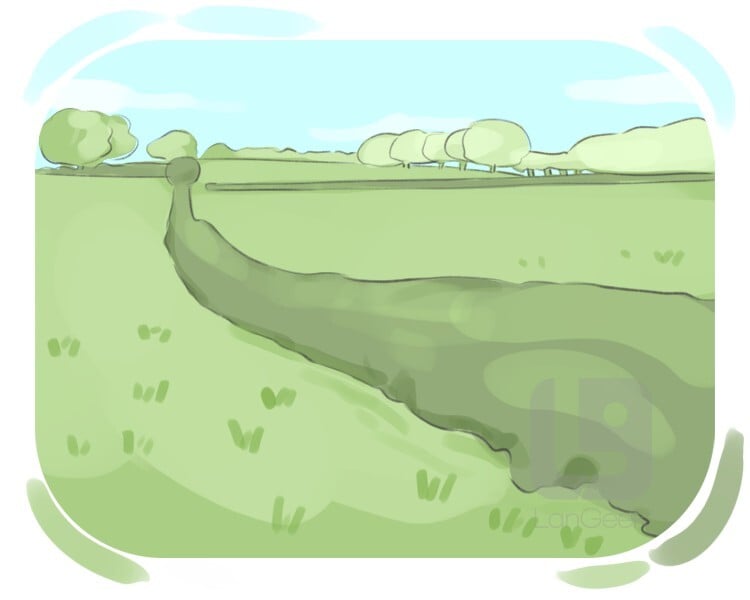
a row of closely-planted bushes or small trees that form a boundary, particularly on the edge of a garden, road, or field
文法情報
有生性の状態
無生物
形態的構成
単純語
可算
singular
not gender specific
複数形
hedges
例
The garden was enclosed by a tall hedge that provided privacy.
庭はプライバシーを提供する高い生垣で囲まれていました。
02
回避, 曖昧な発言
a deliberately vague statement
例
His response was a hedge, avoiding any clear position.
彼の返答は 曖昧な表現 で、明確な立場を避けていました。
例
The investor used a hedge to protect their portfolio against market volatility.
投資家は市場の変動からポートフォリオを保護するためにヘッジを使用しました。
04
緩和表現, 弱化語
a linguistic device used to indicate uncertainty, vagueness, or lack of commitment, often expressed through words or phrases
例
Phrases like "I think" or "maybe" are common hedges in conversation.
「思う」や「多分」のようなフレーズは、会話で一般的な緩和表現です。
to hedge
01
囲む, 取り囲む
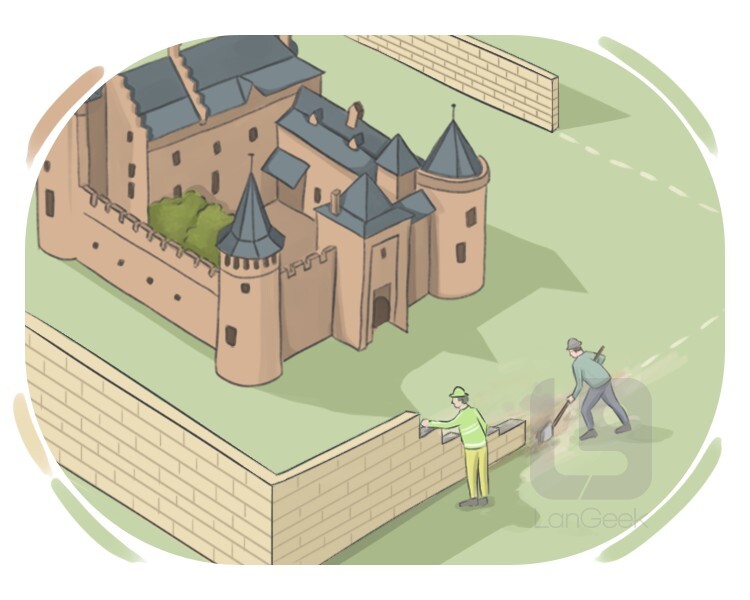
to create an obstacle or restriction, hindering movement or impact
Transitive: to hedge sth
例
The high walls hedged the garden, making it impossible to see inside.
高い壁が庭を囲み、中を見ることを不可能にした。
02
はぐらかす, 明確な返答を避ける
to evade giving a clear or firm response, decision, or commitment
Intransitive
文法情報
形態的構成
単純語
動作動詞
規則的
現在時制
hedge
三人称単数
hedges
現在分詞
hedging
単純過去
hedged
過去分詞
hedged
例
She hedged when asked if she would attend the meeting, saying she needed more time.
彼女は会議に出席するかどうか尋ねられたとき、もっと時間が必要だと言ってはぐらかした。
03
ヘッジする, 保護する
to reduce the risk of loss or failure by making a counterbalancing action or decision
Transitive: to hedge a risk or venture
例
Investors hedge their bets by diversifying their portfolios across multiple assets.
投資家は、複数の資産にポートフォリオを分散させることで、賭けをヘッジします。
04
囲む, 縁取る
to enclose or outline an area by planting or placing a row of shrubs or small trees
Transitive: to hedge an area
例
They hedged the garden with tall bushes to create a private space.
彼らはプライベートな空間を作るために、庭を背の高い茂みで囲いました。


