






























to dehydrate
01
脱水する, 乾燥させる
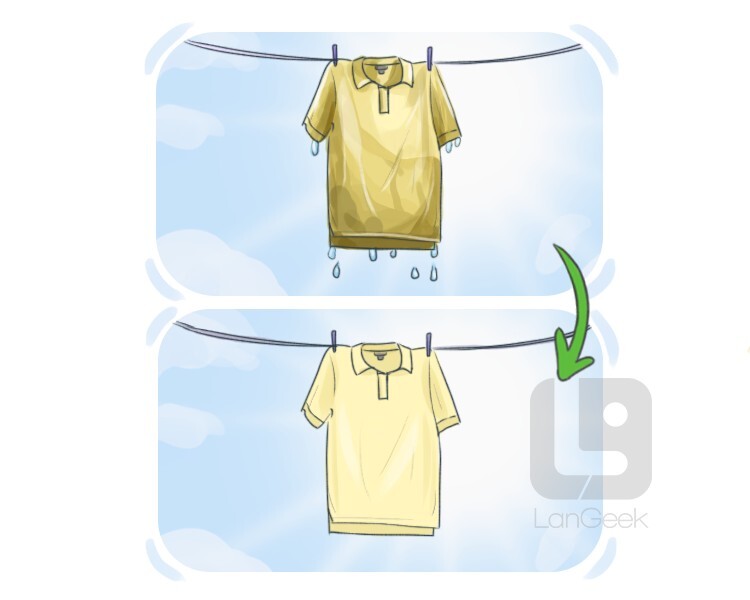
to remove water from a substance, often causing it to become dry
Transitive: to dehydrate sth
文法情報
形態的構成
派生語
動作動詞
規則的
現在時制
dehydrate
三人称単数
dehydrates
現在分詞
dehydrating
単純過去
dehydrated
過去分詞
dehydrated
例
The air conditioning system was unintentionally dehydrating the indoor air.
エアコンシステムは無意識のうちに室内の空気を脱水していました。
02
脱水する, 乾燥させる
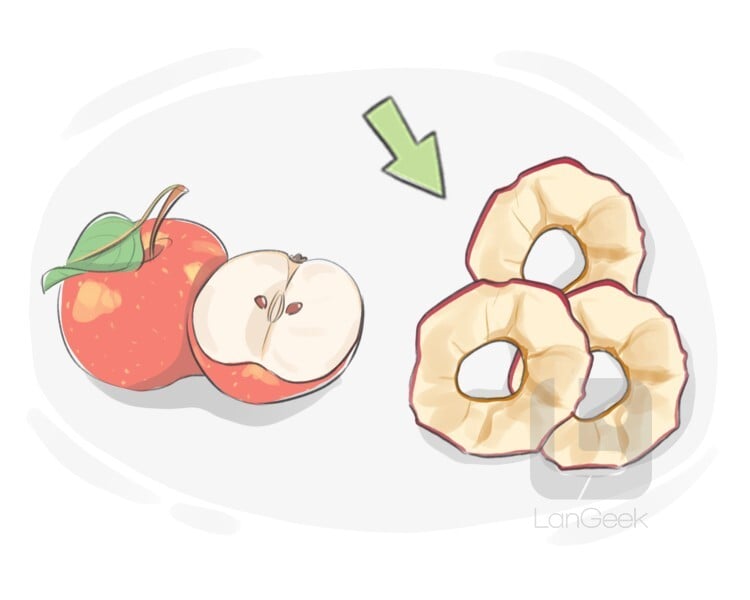
to remove moisture from something, such as food, to preserve it for longer storage
Transitive: to dehydrate food
例
We dehydrate apple slices every summer for crunchy snacks during hikes.
私たちは毎年夏にハイキング用のサクサクしたおやつとしてリンゴのスライスを乾燥させます。
03
脱水する, 脱水状態になる
to lose a large amount of fluid through urinating, vomiting, or intense physical activity
Intransitive
例
After running a marathon in the hot sun without adequate hydration, he began to dehydrate.
十分な水分補給なしに暑い太陽の下でマラソンを走った後、彼は脱水症状を起こし始めた。
04
脱水する, 水分子を失う
(chemistry) to lose water molecules during a chemical reaction
Intransitive
例
When heated, copper(II) sulfate pentahydrate undergoes a chemical reaction to dehydrate.
加熱すると、五水和物の硫酸銅(II)は化学反応を起こして脱水します。
LanGeek
モバイルアプリをダウンロード

語彙ツリー
dehydrate
hydrate

