






























to come over
01
立ち寄る, 来る
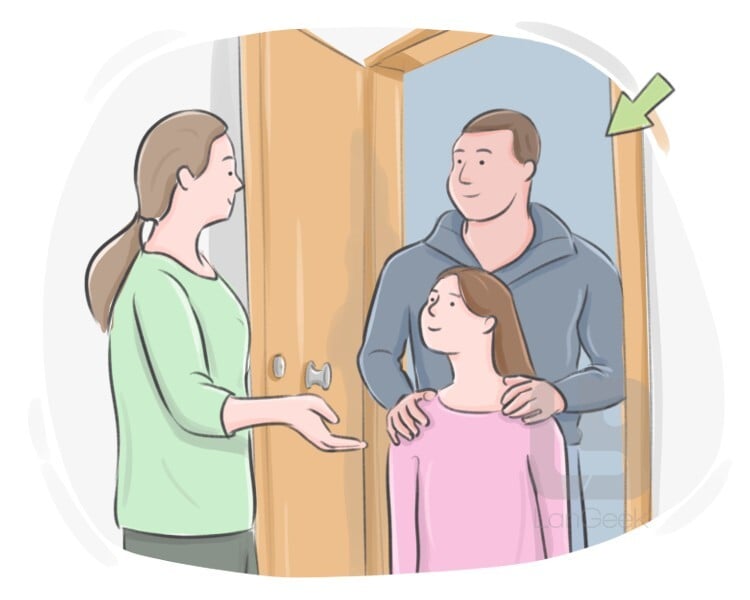
to come to someone's house in order to visit them for a short time
文法情報
形態的構成
句動詞
移動動詞
規則的
分離不可
不変化詞
over
基本動詞
come
現在時制
come over
三人称単数
comes over
現在分詞
coming over
単純過去
came over
過去分詞
come over
例
Why don't you come over to my place for dinner tonight?
今夜、私の家に来て夕食を食べませんか?
02
伝わる, 印象を与える
to convey or communicate a specific meaning, impression, or understanding to someone
例
His tone of voice came over as confident and authoritative.
彼の声のトーンは自信に満ちており、威厳があるように伝わった。
03
意見を変える, 側を変える
to completely change one’s point of view or side
Transitive
例
At first, he was skeptical about the new approach, but after seeing its success, he came over to the idea and became a strong advocate.
最初、彼は新しいアプローチに懐疑的でしたが、その成功を見た後、考えを改め、強力な支持者になりました。
04
放送される, 伝えられる
(of a public announcement) to be transmitted through radio, TV, etc. so that it can be heard by all the people within an area
例
The principal's voice came over the loudspeakers, announcing the cancellation of classes due to inclement weather.
校長先生の声が放送で流れ、悪天候による授業の中止を発表しました。
05
襲う, 押し寄せる
to suddenly experience of a feeling or sensation
例
A sense of calm came over her as she stepped into the peaceful garden.
彼女が静かな庭に入ると、穏やかな気持ちが彼女を包んだ。


