






























tense
01
緊張した, 神経質な
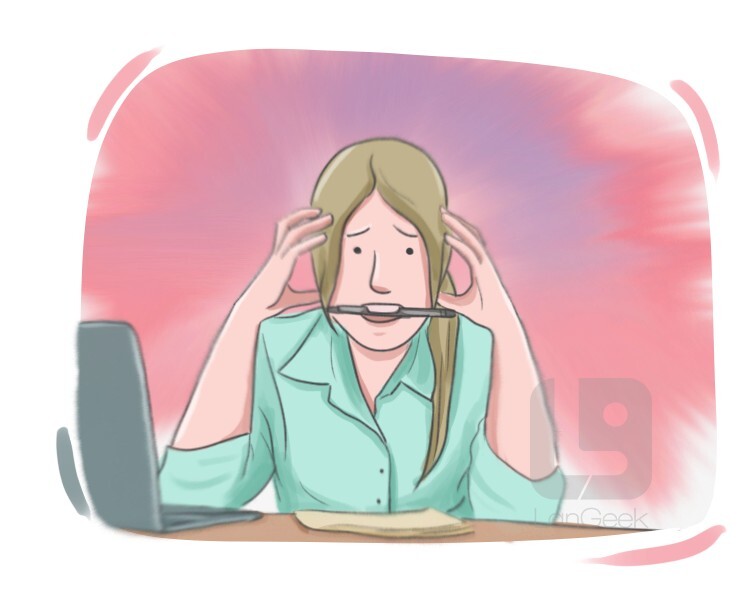
full of anxiety or fear that makes people feel pressure or unease
例
She felt tense before her presentation, worrying about forgetting her lines.
彼女はプレゼンテーションの前に緊張を感じ、自分のセリフを忘れることを心配していました。
02
緊張した, 硬い
taut or rigid; stretched tight
文法情報
形態的構成
単純語
性質形容詞
最上級
tensest
比較級
tenser
程度表現可
分野
state, physical, muscles
03
緊張した, 締まった
(of a speech sound) characterized by relatively tight or strained tongue muscles during the pronunciation
例
The vowel in the word was identified as a tense sound.
その単語の母音は緊張した音として識別されました。
Tense
01
時制, 動詞の時制
(grammar) a form of the verb that indicates the time or duration of the action or state of the verb
文法情報
有生性の状態
抽象的
形態的構成
単純語
可算
singular
not gender specific
複数形
tenses
例
In "She walks to school," walks is in the present tense.
「彼女は学校へ歩く」では、歩くは現在時制です。
to tense
01
緊張させる, 不安にさせる
to make someone feel nervous, anxious, or uneasy
文法情報
形態的構成
単純語
動作動詞
規則的
現在時制
tense
三人称単数
tenses
現在分詞
tensing
単純過去
tensed
過去分詞
tensed
1.1
緊張する, 不安になる
to become nervous, anxious, or uneasy
02
緊張させる, 固くする
to tighten or stiffen something physically
例
The dog tensed its body before barking.
犬は吠える前に体を緊張させた。
03
張る, 緊張する
become stretched or tense or taut
LanGeek
モバイルアプリをダウンロード

語彙ツリー
tensely
tenseness
tense

