

Search
Select the dictionary language





























full of anxiety or fear that makes people feel pressure or unease
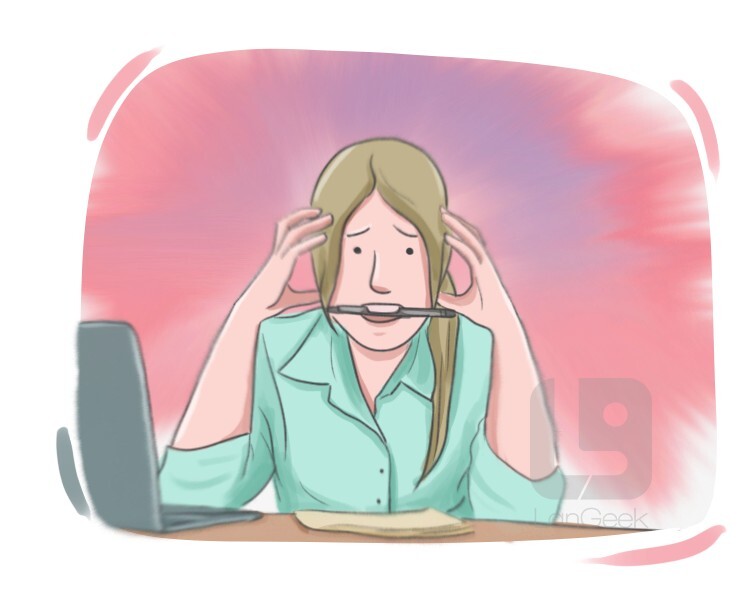
taut or rigid; stretched tight
(of a speech sound) characterized by relatively tight or strained tongue muscles during the pronunciation
(grammar) a form of the verb that indicates the time or duration of the action or state of the verb
What is "tense"?
Tense is a grammatical feature that shows the time of an action or event in a sentence. It indicates whether something happens in the past, present, or future. For example, the word "walked" shows past action, while "walk" shows present action, and "will walk" indicates future action. Tense helps listeners or readers understand when an action takes place, allowing for clearer communication about time.
to make someone feel nervous, anxious, or uneasy
to become nervous, anxious, or uneasy
to tighten or stiffen something physically
become stretched or tense or taut
LanGeek
Download Our Mobile App

Lexical Tree

