

অনুসন্ধান করুন
অভিধানের ভাষা নির্বাচন করুন





























tense
01
উত্তেজনাপূর্ণ, আশঙ্কাগ্রস্ত
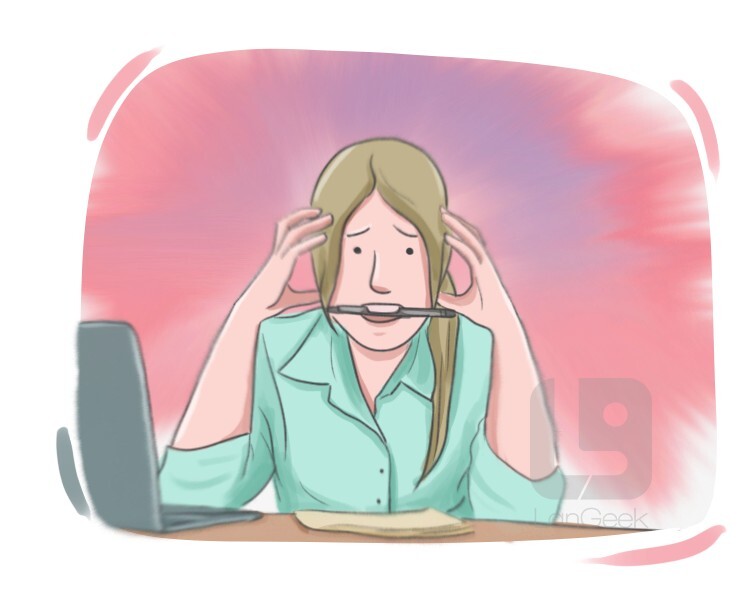
full of anxiety or fear that makes people feel pressure or unease
উদাহরণ
She felt tense before her presentation, worrying about forgetting her lines.
তিনি তার উপস্থাপনার আগে উত্তেজিত অনুভব করেছিলেন, তার লাইনগুলি ভুলে যাওয়ার বিষয়ে চিন্তিত ছিলেন।
02
টান, শক্ত
taut or rigid; stretched tight
ব্যাকরণগত তথ্য
রূপগত গঠন
সরল
গুণবাচক
অতিশয় রূপ
tensest
তুলনামূলক রূপ
tenser
তুলনীয়
বিষয়ক্ষেত্র
state, physical, muscles
03
টানটান, সংকুচিত
(of a speech sound) characterized by relatively tight or strained tongue muscles during the pronunciation
উদাহরণ
The vowel in the word was identified as a tense sound.
শব্দের স্বরধ্বনিটি একটি টান শব্দ হিসাবে চিহ্নিত করা হয়েছিল।
Tense
01
কাল, ক্রিয়ার কাল
(grammar) a form of the verb that indicates the time or duration of the action or state of the verb
ব্যাকরণগত তথ্য
প্রাণবাচকতার অবস্থা
বিমূর্ত
রূপগত গঠন
সরল
গণনীয়
singular
not gender specific
বহুবচন রূপ
tenses
উদাহরণ
In "She walks to school," walks is in the present tense.
"সে স্কুলে হেঁটে যায়" বাক্যে, হেঁটে যায় বর্তমান কাল-এ আছে।
to tense
01
টানটান করা, উদ্বিগ্ন করা
to make someone feel nervous, anxious, or uneasy
ব্যাকরণগত তথ্য
রূপগত গঠন
সরল
কর্মসূচক ক্রিয়া
নিয়মিত
বর্তমান কাল
tense
৩য় পুরুষ একবচন
tenses
বর্তমান কৃদন্ত
tensing
সরল অতীত
tensed
অতীত কৃদন্ত
tensed
1.1
উত্তেজিত হওয়া, অস্থির হয়ে পড়া
to become nervous, anxious, or uneasy
02
টান দেওয়া, শক্ত করা
to tighten or stiffen something physically
উদাহরণ
The dog tensed its body before barking.
কুকুরটি ঘেউ ঘেউ করার আগে তার শরীর টান দিল।
03
টান করা, টানটান হওয়া
become stretched or tense or taut
LanGeek
আমাদের মোবাইল অ্যাপ ডাউনলোড করুন

শব্দতাত্ত্বিক গাছ
tensely
tenseness
tense

