

Szukaj





























tense
01
spięty, nerwowy
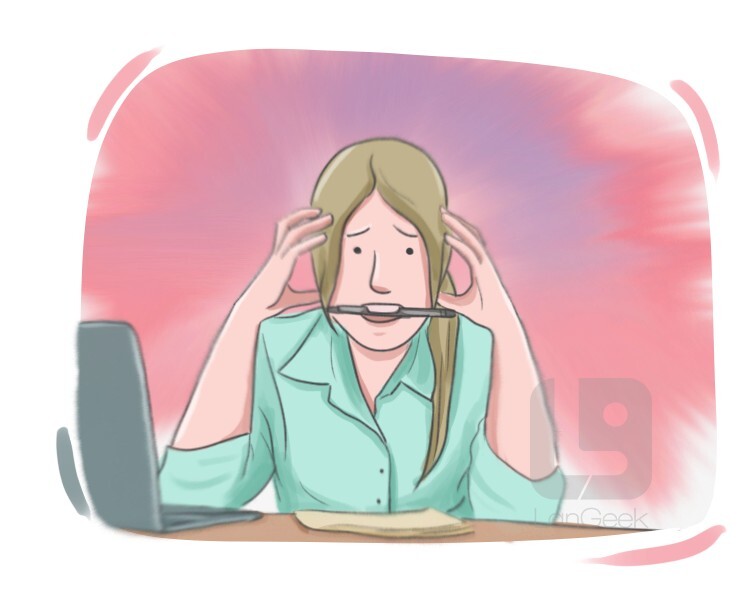
full of anxiety or fear that makes people feel pressure or unease
Przykłady
She felt tense before her presentation, worrying about forgetting her lines.
Czuła się spięta przed swoją prezentacją, martwiąc się, że zapomni swoich kwestii.
02
napięty, sztywny
taut or rigid; stretched tight
informacje gramatyczne
budowa morfologiczna
prosty
jakościowy
stopień najwyższy
tensest
stopień wyższy
tenser
stopniowalne
dziedzina
state, physical, muscles
03
napięty, spięty
(of a speech sound) characterized by relatively tight or strained tongue muscles during the pronunciation
Przykłady
The vowel in the word was identified as a tense sound.
Samogłoska w słowie została zidentyfikowana jako dźwięk napięty.
Tense
01
czas, czas gramatyczny
(grammar) a form of the verb that indicates the time or duration of the action or state of the verb
informacje gramatyczne
status żywotności
abstrakcyjny
budowa morfologiczna
prosty
policzalny
singular
not gender specific
forma liczby mnogiej
tenses
Przykłady
In "She walks to school," walks is in the present tense.
W zdaniu "Ona idzie do szkoły", idzie jest w czasie teraźniejszym.
to tense
01
napinać, denerwować
to make someone feel nervous, anxious, or uneasy
informacje gramatyczne
budowa morfologiczna
prosty
czasownik czynnościowy
regularny
czas teraźniejszy
tense
3. osoba liczby pojedynczej
tenses
imiesłów czynny
tensing
czas przeszły prosty
tensed
imiesłów bierny
tensed
1.1
napinać się, denerwować się
to become nervous, anxious, or uneasy
02
napinać, usztywniać
to tighten or stiffen something physically
Przykłady
The dog tensed its body before barking.
Pies naprężył swoje ciało przed szczekaniem.
03
napinać, naprężać się
become stretched or tense or taut
LanGeek
Pobierz naszą aplikację mobilną

Drzewo Leksykalne
tensely
tenseness
tense

