






























rigid
文法情報
形態的構成
単純語
性質形容詞
最上級
most rigid
比較級
more rigid
程度表現可
分野
materials, properties, objects
例
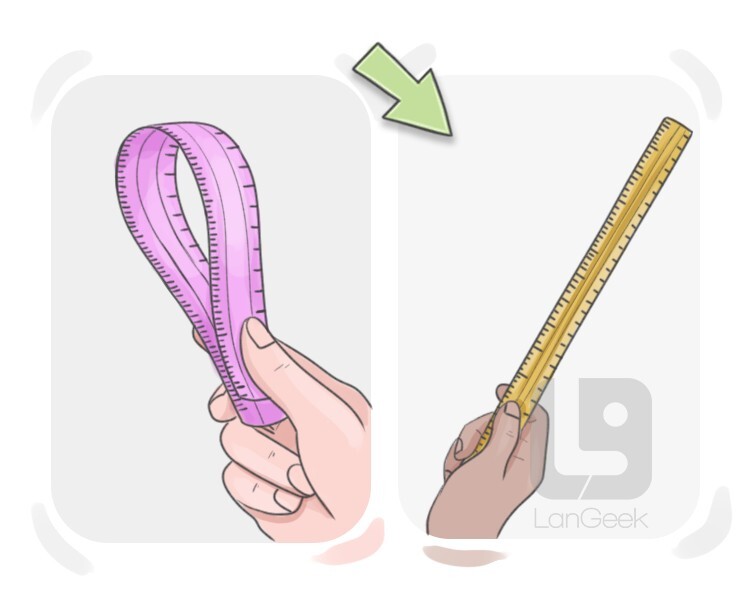
The ruler was made of rigid plastic, ensuring accurate measurements.
その定規は硬いプラスチックで作られており、正確な測定を保証しました。
02
硬直した, こわばった
(of a person or body part) held stiff and motionless due to fear, shock, or strong tension
例
He stood rigid with fear, unable to take a step.
彼は恐怖で硬直して立ち尽くし、一歩も踏み出せなかった。
03
硬直した, 柔軟性のない
unwilling to change or adapt, especially in attitudes or beliefs
例
His rigid views on education prevented any discussions on reform.
教育に対する彼の厳格な見解は、改革に関する議論を妨げた。
04
硬式の, 硬い骨組みの
describing an airship or dirigible whose shape is maintained by a stiff, unyielding frame
例
The Hindenburg was a famous rigid airship.
ヒンデンブルクは有名な硬式飛行船でした。
LanGeek
モバイルアプリをダウンロード

語彙ツリー
nonrigid
rigidify
rigidity
rigid

