






























to offend
01
侮辱する, 傷つける
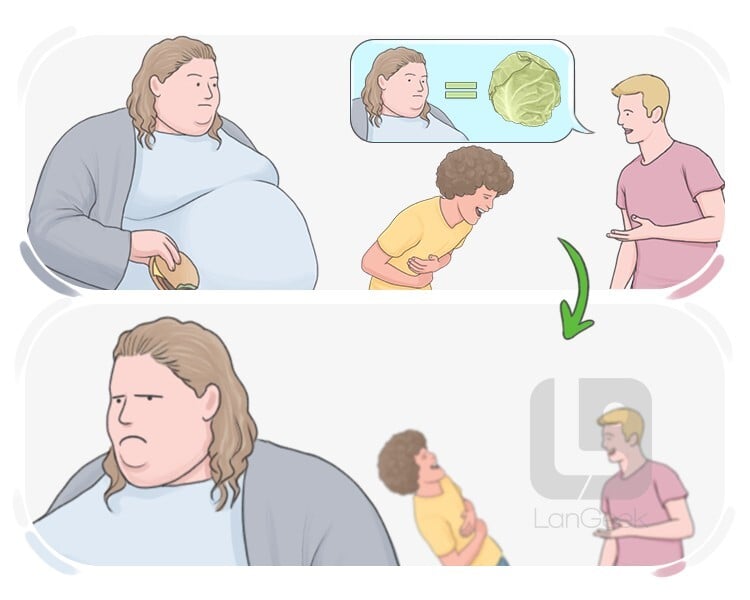
to cause someone to feel disrespected, upset, etc.
Transitive: to offend sb
文法情報
形態的構成
単純語
動作動詞
規則的
現在時制
offend
三人称単数
offends
現在分詞
offending
単純過去
offended
過去分詞
offended
例
His dismissive remarks about her achievements offended her and sparked resentment.
彼女の業績についての彼の軽蔑的な発言は彼女を傷つけ、憤りを引き起こした。
02
傷つける, 侮辱する
to feel hurt, insulted, or displeased by someone's words, actions, or behavior
Intransitive
例
She offends easily, often taking harmless comments as personal attacks.
彼女は簡単に傷つき、しばしば無害なコメントを個人的な攻撃と受け取ります。
03
傷つける, 不快にさせる
to cause difficulty, discomfort, or pain
Transitive: to offend someone or their senses
例
The strong smell of fish in the market offended her sensitive nose.
市場での魚の強い匂いが彼女の敏感な鼻を不快にさせた。
04
違反する, 侵害する
to go against established norms or principles
Transitive: to offend norms or principles
例
Speeding on the highway offends traffic laws and regulations.
高速道路での速度制限違反は、交通法規に違反します。
LanGeek
モバイルアプリをダウンロード

語彙ツリー
offended
offender
offending
offend

