

Rechercher
Sélectionnez la langue du dictionnaire





























to weaken
01
affaiblir, fragiliser
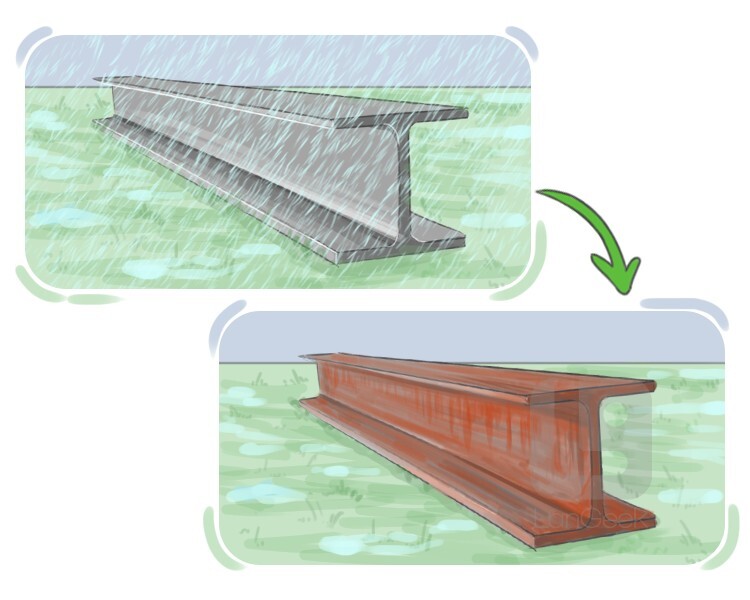
to make something physically or structurally less strong or sturdy
Transitive: to weaken a structure
informations grammaticales
composition morphologique
dérivé
verbe d’action
régulier
présent
weaken
3e personne du singulier
weakens
participe présent
weakening
passé simple
weakened
participe passé
weakened
Exemples
Exposure to harsh weather conditions can weaken the structure of outdoor furniture.
L'exposition à des conditions météorologiques difficiles peut affaiblir la structure des meubles d'extérieur.
02
se faiblir
to lose strength or vitality
Intransitive
Exemples
Over time, the rope began to weaken, fraying at the edges and becoming less reliable.
Avec le temps, la corde a commencé à s'affaiblir, s'effilochant sur les bords et devenant moins fiable.
03
affaiblir, diminuer
to lessen the strength, intensity, size, or extent of something
Transitive: to weaken sth
Exemples
The company decided to weaken its marketing campaign due to budget constraints.
L'entreprise a décidé d'affaiblir sa campagne de marketing en raison de contraintes budgétaires.
04
affaiblir, diminuer
to diminish or decline in strength or intensity
Intransitive
Exemples
As the hurricane moved inland, its winds began to weaken.
Alors que l'ouragan se déplaçait vers l'intérieur des terres, ses vents ont commencé à faiblir.
05
s'affaiblir, faiblir
to become less resolved or determined
Intransitive
Exemples
Despite her initial enthusiasm, her resolve began to weaken as the challenges of the project became apparent.
Malgré son enthousiasme initial, sa détermination a commencé à faiblir alors que les défis du projet devenaient apparents.
LanGeek
Téléchargez notre application mobile

Arbre Lexical
weakened
weakener
weakening
weaken

