

অনুসন্ধান করুন
অভিধানের ভাষা নির্বাচন করুন





























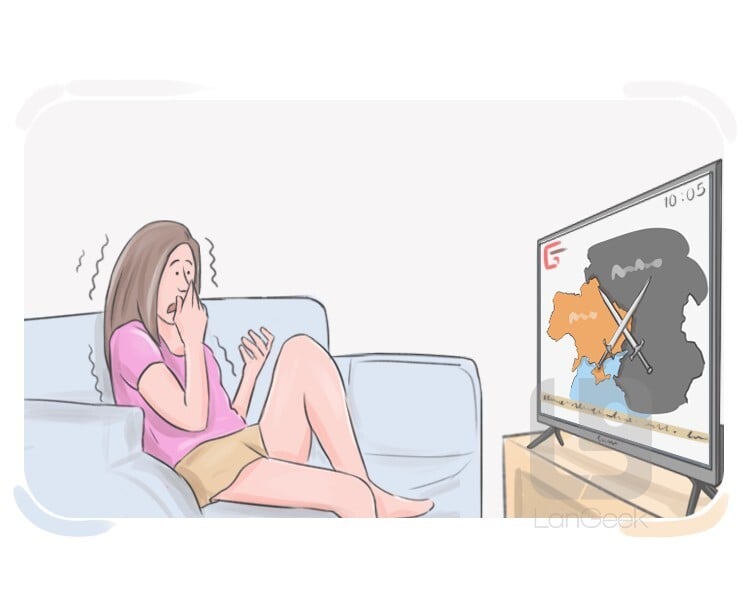
to dismay
01
বিস্মিত করা, চিন্তিত করা
to cause someone to feel shocked, worried, or upset
Transitive: to dismay sb
ব্যাকরণগত তথ্য
রূপগত গঠন
উৎপন্ন
কর্মসূচক ক্রিয়া
নিয়মিত
বর্তমান কাল
dismay
৩য় পুরুষ একবচন
dismays
বর্তমান কৃদন্ত
dismaying
সরল অতীত
dismayed
অতীত কৃদন্ত
dismayed
উদাহরণ
The sudden cancellation of the event dismayed the attendees, leaving them feeling disappointed.
ইভেন্টের হঠাৎ বাতিল হওয়া উপস্থিত লোকদের বিভ্রান্ত করেছিল, তাদের হতাশ বোধ করিয়েছিল।
02
বিষাদগ্রস্ত করা, উত্সাহ হ্রাস করা
to cause someone to feel anxious or lose determination
Transitive: to dismay sb
উদাহরণ
The unexpected withdrawal of a key player dismayed the team, affecting their morale.
একজন মূল খেলোয়াড়ের অপ্রত্যাশিত প্রত্যাহার দলকে হতাশ করেছিল, তাদের মনোবলকে প্রভাবিত করেছিল।
Dismay
01
বিষাদ, হতাশা
the sadness and worry provoked by an unpleasant surprise
ব্যাকরণগত তথ্য
প্রাণবাচকতার অবস্থা
বিমূর্ত
রূপগত গঠন
যৌগিক
অগণনীয়
singular
not gender specific
উদাহরণ
Her face showed dismay when she heard the news of the cancellation.
বাতিল হওয়ার খবর শুনে তার মুখে হতাশা দেখা গেল।
02
বিস্ময়, ভয়
fear resulting from the awareness of danger


