

অনুসন্ধান করুন
অভিধানের ভাষা নির্বাচন করুন





























later
01
পরে, পরবর্তীতে
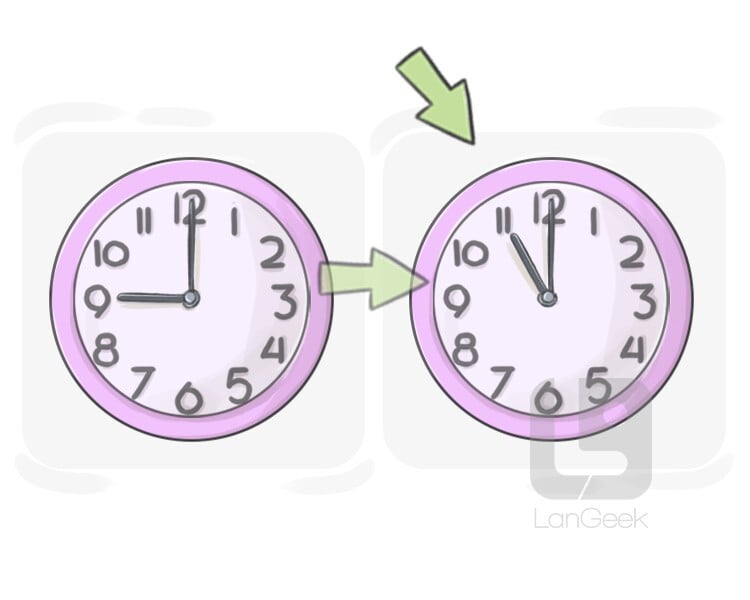
at a time following the current or mentioned moment, without specifying exactly when
ব্যাকরণগত তথ্য
অতুলনীয়
সময়সূচক ক্রিয়াবিশেষণ
উদাহরণ
He asked me to return his call later.
তিনি আমাকে পরে তার কল ফিরিয়ে দিতে বলেছিলেন।
উদাহরণ
She went to the store, and later, she met up with her friends.
তিনি দোকানে গিয়েছিলেন, এবং পরে, তিনি তার বন্ধুদের সাথে দেখা করেছিলেন।
03
পরে, পরবর্তীতে
at a time following the present or an earlier time compared to another
উদাহরণ
She arrived later than expected due to heavy traffic.
ভারী ট্র্যাফিকের কারণে তিনি প্রত্যাশার চেয়ে পরে পৌঁছেছেন।
later
ব্যাকরণগত তথ্য
রূপগত গঠন
সরল
গুণবাচক
অতিশয় রূপ
latest
তুলনামূলক রূপ
later
তুলনীয়
বিষয়ক্ষেত্র
time, sequence
উদাহরণ
The meeting was rescheduled for a later date.
মিটিংটি পরে তারিখের জন্য পুনরায় নির্ধারণ করা হয়েছিল।
02
পরবর্তী, পরে আসা
coming after an earlier version or time period
উদাহরণ
The later versions of the software offer enhanced security features.
সফ্টওয়্যারটির পরবর্তী সংস্করণগুলি উন্নত নিরাপত্তা বৈশিষ্ট্য প্রদান করে।
03
পরবর্তী, বিলম্বিত
happening after the present or an earlier point compared to another
উদাহরণ
His arrival was later than expected due to traffic delays.
ট্রাফিক বিলম্বের কারণে তার আগমন প্রত্যাশিত সময়ের চেয়ে বিলম্বিত হয়েছিল।
উদাহরণ
The artist's style evolved significantly in the later part of his career.
শিল্পীর শৈলী তার কর্মজীবনের পরবর্তী অংশে উল্লেখযোগ্যভাবে বিকশিত হয়েছিল।

LanGeek


