






























to prejudice
01
使产生偏见, 负面影响
to unfairly influence someone's opinion or judgment about someone or something
Transitive: to prejudice sb/sth
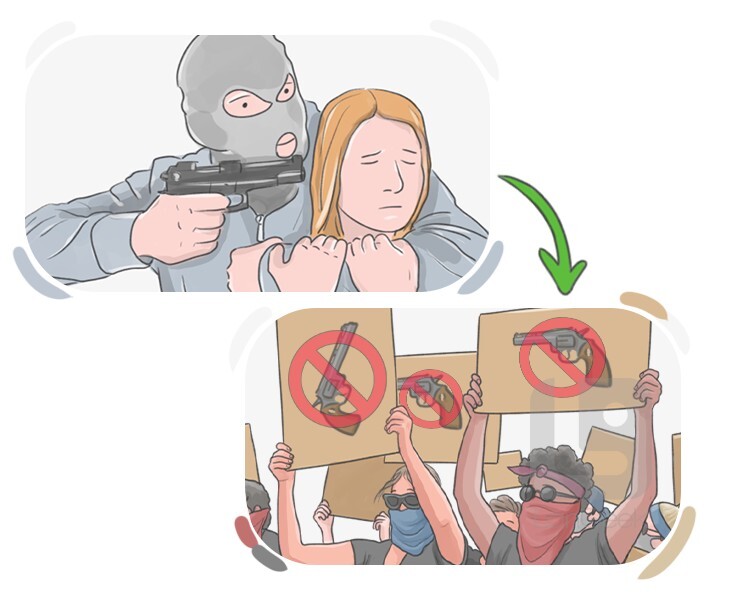
语法信息
形态构成
派生
动作动词
规则
现在时
prejudice
第三人称单数
prejudices
现在分词
prejudicing
一般过去时
prejudiced
过去分词
prejudiced
例子
Her negative experiences prejudiced her against people from that particular ethnicity.
她的负面经历使她对那个特定种族的人产生了偏见。
02
损害, 危害
to harm or reduce someone's chances, prospects, or standing
Transitive: to prejudice an opportunity or prospect
例子
The false rumors prejudiced her reputation in the workplace.
虚假谣言损害了她在工作场所的声誉。
Prejudice
语法信息
有生性状态
抽象
形态构成
复合词
不可数
singular
not gender specific
复数形式
prejudices
例子
His remarks revealed a deep-seated prejudice against immigrants.
他的言论揭示了对移民根深蒂固的 偏见。
02
偏见, 损害
damage done to someone because of unfair ideas or beliefs about them
例子
They worked to stop any prejudice in how people are treated in school.
他们致力于阻止在学校中人们如何被对待的任何偏见。
LanGeek
下载我们的移动应用

词汇树
prejudiced
prejudice

