






























to prejudice
01
偏見を持つ, 否定的に影響を与える
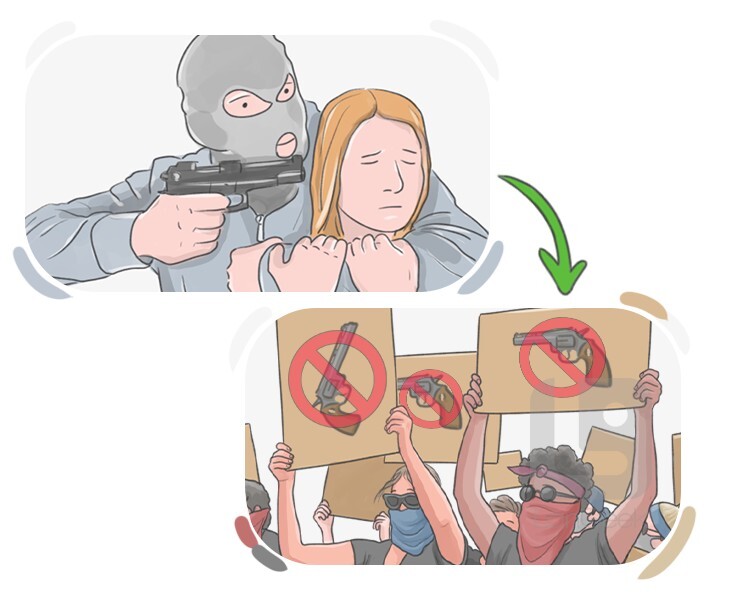
to unfairly influence someone's opinion or judgment about someone or something
Transitive: to prejudice sb/sth
文法情報
形態的構成
派生語
動作動詞
規則的
現在時制
prejudice
三人称単数
prejudices
現在分詞
prejudicing
単純過去
prejudiced
過去分詞
prejudiced
例
Her negative experiences prejudiced her against people from that particular ethnicity.
彼女の否定的な経験は、その特定の民族の人々に対して偏見を持たせた。
02
害する, 損なう
to harm or reduce someone's chances, prospects, or standing
Transitive: to prejudice an opportunity or prospect
例
The false rumors prejudiced her reputation in the workplace.
虚偽の噂が職場での彼女の評判を損なった。
Prejudice
文法情報
有生性の状態
抽象的
形態的構成
複合語
不可算
singular
not gender specific
複数形
prejudices
例
His remarks revealed a deep-seated prejudice against immigrants.
彼の発言は、移民に対する根深い 偏見 を明らかにした。
02
偏見, 損害
damage done to someone because of unfair ideas or beliefs about them
例
They worked to stop any prejudice in how people are treated in school.
彼らは学校で人々がどのように扱われるかについてのあらゆる偏見を止めるために働きました。
LanGeek
モバイルアプリをダウンロード
語彙ツリー
prejudiced
prejudice

